

How to Build Social Media Presence for Your Music Brand

So you want to start working out your social media? Get it in shape! Well, you’ve come to the right place. We tell you all about how to build social media presence for your music branding and keep it that way!
Quick Summary
To build a strong social media presence for music branding, it’s essential to focus on genuine engagement rather than just follower counts. Begin by setting specific, measurable goals for each channel and identifying your target audience's interests. Foster personal connections, plan consistent content, and optimize your profiles for maximum visibility. Utilize tailored content and experiment with ads to promote your brand effectively. Finally, analyze results to refine your strategy, transformi
Now building social media presence for a music brand is not very different than for other industries but you should always keep in mind what works best for your audience. We are here to take you step by step into creating quality social media to get your music out there!
Building Social Media Presence in 9 Steps
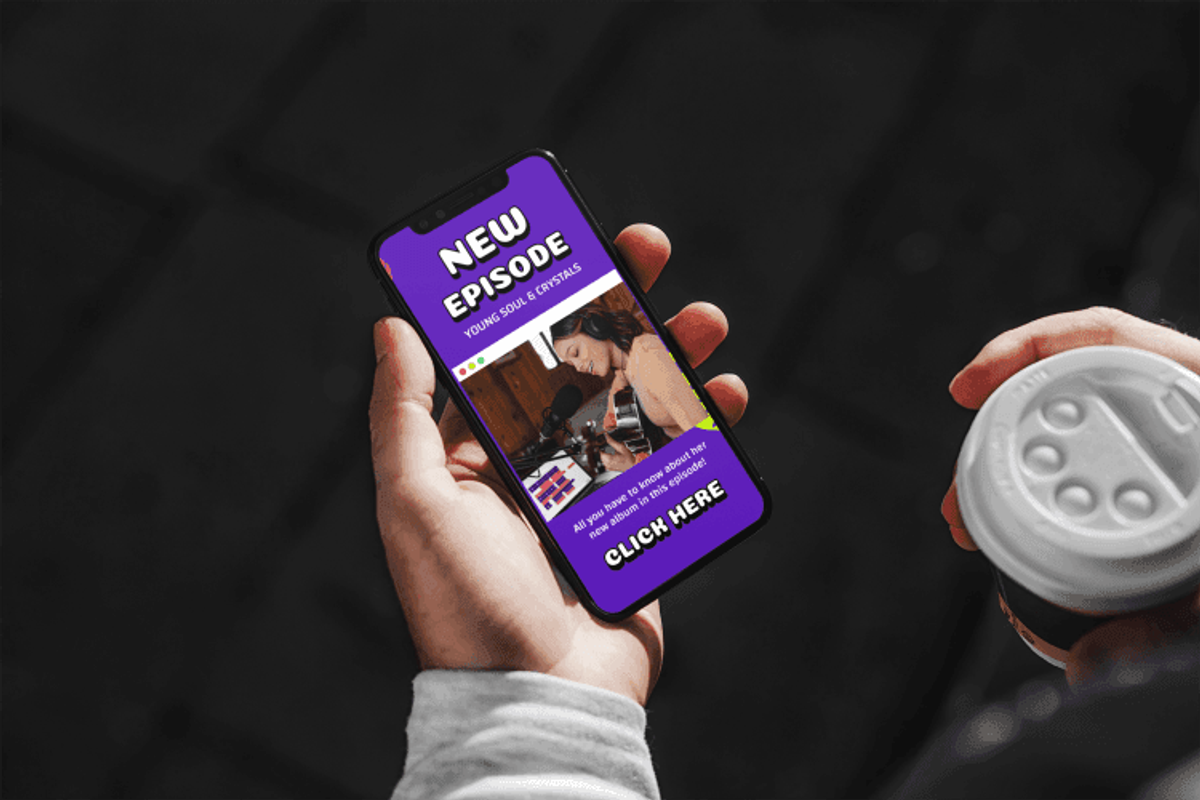
Every current brand owns at least a few social media channels, but how many of those have an actual presence? How many of those interact with their followers to create real-life relationships? This is the key! Having social media isn’t enough if there is no presence at all!
Ready to Promote Your Music?
AMW has run 200+ music campaigns across streaming, radio, and press.
Social media is a business tool to help you and your brand nourish true relationships, not followers. Follower counts don’t mean a thing if they don’t engage with you! To achieve and increase social media presence, you need a social media strategy to get to your goals. Right there, that is the very first step, writing down your social media goal by channel. Meaning, what’s the intention behind your Twitter, your YouTube channel, or your Instagram. Different social media platforms may work differently for your brand. So let’s dive right into it:
1. Set Your Goals
You need goals that are specific, measurable, realistic, and relevant. You also need to set a timetable for each one of these goals.
Also, we recommend that you set different goals according to each social media channel.
2. What’s Your Target Audience?
Once you have your goals defined, is time to target the right people! When you understand who your audience is, you can set a schedule, tone, and content of interest. This doesn’t mean that you will be shaping your brand to fit your audience, but you will be approaching them in a way they will love!
In order to post valuable content it is important that you understand what your audience’s interests are, but more on this ahead.
3. Connect on a Personal Level
Even when people know they are following a brand, they like to talk to humans. You can achieve this by showing your followers the faces behind your brand. Introduce yourself, your collaborators, your team and tell their stories.
4. Engage!
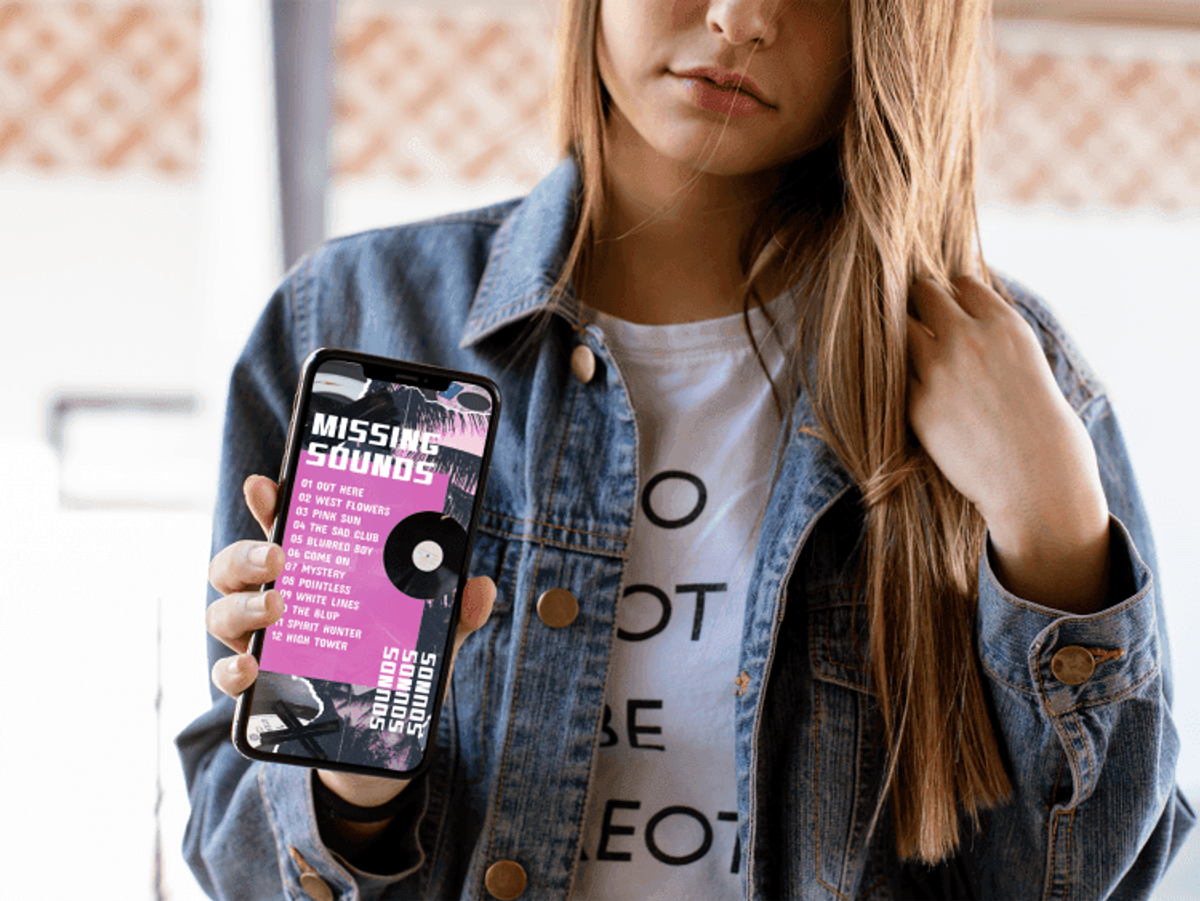
As said before, making relationships is way more important than increasing your follower count. A way to do this is to answer their questions, incentivize customers to generate content, share their stories whenever you are mentioned as well as reply to those mentions.
Basically, start a conversation with your fans. You can ask questions, make a poll, start a live video to answer doubts, and so on.
5. Plan Your Content Calendar
This helps you keep it consistent so that you don’t disappoint your followers. You want to keep your presence constantly throughout the week. Maybe even make a few posts daily in some cases! Remember presence is what we are looking for.
Research the best time to post on each different platform. This might take a lot of experimenting, there is actually no secret formula to it. Music followers may not be online as other audiences might.
Valuable Content
So as we mentioned before, your target wants to see relevant content according to their interests. Which means one, you need to understand what those interests are, and two, make up valuable information for it!
6. Optimize Your Profiles
Write in-depth and enchanting descriptions of your brand or yourself in case you are promoting a personal brand. Add relevant keywords to them too.
You need a great profile picture or logo, banner, or cover, and you definitely need to keep them consistent all through your social media channels. Brand consistency all over your social media channels to make it easier for your followers to find you!
7. Content Design
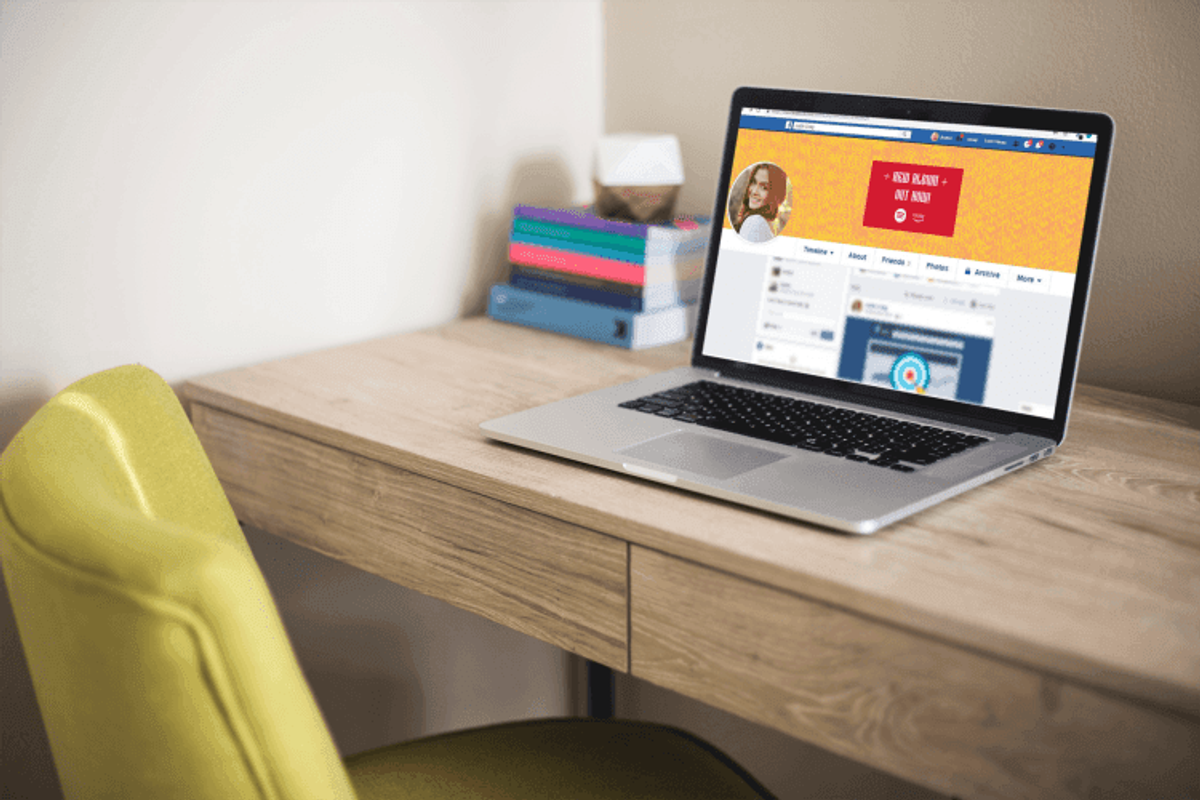
Again not all social media are the same. Make specially designed content for each platform. For example, as we all know Instagram is a very visual platform, images are key! Twitter gets even better results when a twit comes accompanied with visuals or graphics. This means you will be needing good material and arts to go with your posts!
Facebook notes that Live videos get six times the engagement versus any other type of content.
Ready to Promote Your Music?
AMW has run 200+ music campaigns across streaming, radio, and press.
Also, don’t post the same content on every social media platform, try to keep it varied!
Videos are a Biggy
Video content engages way more than regular content. Whether it’s a short video story or a larger YouTube episode, use the same logic: brand, target, and promotion.
8. Experiment with Ads
Don’t be afraid to pay for a little promotion on your social media. In fact, it is safe to say social media is no longer free so you might want to invest a few bucks in some awesome ads!
You can try influencer marketing , this is collaborating with fellow musicians or people involved in the music industry whose following could help uplift yours!
Run highly targeted ads! Now that you know who your audience is, make sure your ads are targeted to them and to those that don’t know you just yet.
9. Track Your Results
Keeping track of your analytics is important in order to measure the success of your social media channel and to actually see what’s working and what’s not.
Every social media channel offers its own analytics tool or you can use an external tool like Google Analytics itself or a social media manager.
A Few Extras
- Use automation tools to make your life easier, they are real time savers.
There are tools for scheduling your posts for instance.
- Use design templates
Using pre-made templates you can easily customize your templates in order to get awesomely designed images and videos for your posts. For instance, a Youtube intro maker makes it super easy for non-designers to create professional assets for their videos and brand them in just a few clicks!
- Stay on top of trends
Share with your followers the latest news and use trending hashtags.
Ready to Promote Your Music?
AMW has run 200+ music campaigns across streaming, radio, and press.
- Cross-promote your social media channels.
Link your social media channels on your description or make posts to send them across channels. For example, an Instagram story to promote your next YouTube episode.
- Share adjacent content.
You can share content from other channels that are in sync with your brand’s personality. No one wants to hear someone talk about themselves all night right? In other words, don’t be self-centered sharing valuable content from others can also benefit your brand.
Last Words
The result of all these efforts will turn out into an effective social media presence! Every emerging musician and even established music brands, can take enormous advantage of social media to position their brands, gain fans, and build strong relationships with their following and other fellow artists. Don’t stay behind! Give your social media game a new refreshing face and get your music out there!
Platform-Specific Strategies for Musicians
Each social media platform serves different purposes in your music marketing strategy, and understanding these nuances can dramatically improve your results. Instagram excels at visual storytelling - use it to share behind-the-scenes studio footage, aesthetic album artwork, and Stories featuring snippets of new tracks. TikTok has become the ultimate music discovery platform, where 15-second clips can launch careers overnight. Focus on creating catchy hooks, participating in trending challenges, or starting your own dance trends to your songs.
YouTube remains the king of long-form music content, perfect for music videos, acoustic sessions, tutorials, and vlogs about your creative process. Twitter works best for real-time engagement, sharing thoughts about the music industry, and connecting with other artists and industry professionals. LinkedIn might seem unconventional for musicians, but it's invaluable for networking with industry executives, booking agents, and securing collaboration opportunities.
Don't spread yourself too thin across every platform. Instead, choose 2-3 platforms where your target audience is most active and focus on creating exceptional content for those channels. Research shows that artists who master fewer platforms perform better than those who maintain mediocre presence across many.
Building Authentic Community and Fan Relationships
Creating a genuine community around your music goes beyond posting content - it requires fostering a sense of belonging among your fans. Develop signature hashtags that fans can use to connect with each other and share their experiences with your music. Create exclusive content for your most loyal followers, such as early access to new songs, virtual meet-and-greets, or behind-the-scenes content that makes them feel like insiders in your journey.
User-generated content is pure gold for musicians. Encourage fans to create covers of your songs, dance videos, or artwork inspired by your music. Feature the best submissions on your channels, giving credit and showing appreciation. This not only provides you with authentic content but also makes fans feel valued and more likely to continue supporting your work. Consider running contests or challenges that encourage creativity while promoting your latest releases.
Remember that consistency in engagement matters more than perfection. Respond to comments regularly, even if it's just with emojis or brief acknowledgments. Share fan art, repost their stories about your music, and celebrate milestones together. When fans feel heard and appreciated, they become your most powerful marketing advocates, often bringing in new listeners through word-of-mouth recommendations.
Monetizing Your Social Media Presence
While building followers is important, converting your social media presence into revenue streams is crucial for sustainable music career growth. Direct monetization opportunities include promoting your merchandise, concert tickets, and music releases to your engaged audience. Platforms like Instagram and Facebook now offer built-in shopping features, allowing fans to purchase directly from your posts. Create limited edition merchandise tied to album releases or tour announcements to create urgency and exclusivity.
Streaming revenue can be significantly boosted through strategic social media use. Use platform-specific features like Instagram's music stickers, TikTok's original sound uploads, and YouTube's music distribution tools to drive streams to Spotify, Apple Music, and other platforms. Include clear calls-to-action in your posts directing followers to stream your latest release, and consider creating playlists that feature your music alongside complementary artists to increase discoverability.
Explore partnership opportunities that align with your brand and audience. This could include sponsored content with music gear companies, fashion brands that match your aesthetic, or local businesses in cities where you tour. Patreon and similar platforms allow you to offer subscription-based exclusive content to your most dedicated fans. Live streaming on platforms like Twitch or Instagram Live can generate income through virtual tips, paid requests, and exclusive performances for paying subscribers.

Ready to Promote Your Music?
AMW has run 200+ music campaigns across streaming, radio, and press.
Frequently Asked Questions
How long does it take to build a strong social media presence for musicians?
Building a strong social media presence for musicians typically takes 3-6 months of consistent posting and engagement. Success depends on posting frequency, audience interaction, and content quality. Set specific, measurable goals with timelines for each platform. Focus on creating relationships rather than just gaining followers, as engaged communities develop gradually through authentic interactions and valuable content sharing.
Which social media platforms work best for musicians starting out?
Instagram, TikTok, and YouTube are most effective for new musicians. Instagram excels for visual content and stories, TikTok drives viral music discovery, and YouTube builds long-term fan relationships through video content. Start with 2-3 platforms to maintain quality and consistency. Research where your target audience spends time, then create platform-specific content rather than posting identical material across all channels.
What type of content should musicians post on social media daily?
Musicians should share behind-the-scenes content, music snippets, live performances, personal stories, and industry-related news. Mix promotional content with engaging posts like polls, Q&As, and fan interactions. Follow the 80/20 rule: 80% valuable, entertaining content and 20% direct promotion. Video content performs best, getting six times more engagement than other formats, especially live videos on platforms like Facebook.
How often should musicians post on different social media platforms?
Post frequency varies by platform: Instagram 1-2 times daily, TikTok 1-3 times daily, Twitter 3-5 times daily, YouTube 1-2 times weekly, and Facebook once daily. Consistency matters more than frequency. Create a content calendar to maintain regular posting schedules. Experiment with timing to find when your music audience is most active, as this differs from other industries.
What's the best way for musicians to engage with fans on social media?
Respond to comments and messages promptly, ask questions in posts, create polls, host live Q&A sessions, and share fan-generated content. Start conversations rather than just broadcasting. Show the human side by introducing team members and sharing personal stories. Engage authentically by commenting on fans' posts, sharing their covers of your music, and acknowledging mentions across platforms.
How much should musicians spend on social media advertising?
Start with $50-100 monthly for social media ads, focusing on highly targeted campaigns to your specific audience. Experiment with promoted posts before investing in larger campaigns. Consider influencer collaborations with fellow musicians or industry figures. Track ROI through platform analytics to determine which ads drive actual engagement and music sales, then gradually increase budgets for successful campaigns.
What are the biggest social media mistakes musicians make when building their brand?
Common mistakes include posting identical content across all platforms, focusing only on follower count instead of engagement, being overly promotional, inconsistent posting schedules, and neglecting to respond to fans. Avoid using generic stock photos and failing to optimize profile descriptions with relevant keywords. Don't ignore analytics or forget to cross-promote between platforms. Always prioritize authentic relationship-building over vanity metrics.
Related Resources
Calculators
Case Studies
Pricing Guides
Related Articles

4 Reasons Social Media is the Best Music Promotion
Millions of people are on social media every day, it’s become the easiest way for you to communicate and connect with your audience. Thanks to social media it’s easier than ever to get your name and m

Social Media Marketing for Musicians Who Want to Build Real Fanbase
Musicians who want to build successful careers can't afford to ignore social media marketing. These platforms offer unprecedented opportunities to connect directly with fans, showcase talent, and buil

How to Promote Your Band: 10 Strategies for Success
Discover successful strategies to promote your band, including developing an engaging website and utilizing livestreams and podcasts effectively.