

Innovative Retail PR Strategies: How to Maximize Your Store Visibility

A store is often more than a selling space; it can be a stage where every product and interaction tells a story, shaping a unique identity.

Quick Summary
Retail PR transcends mere product selling; it focuses on storytelling and authentic experiences that connect with customers. Collaborations with local artists and influencers enhance this narrative, turning retail spaces into hubs of creativity and community engagement. In-store events further enrich these connections, making shopping memorable and inclusive. Positive customer interactions strengthen brand loyalty, reinforcing a trusted image. Ultimately, retail PR crafts a unique voice, transfo
Imagine collaborating with a retail PR agency or firm. This can be where retail PR campaigns take shape, spotlighting a business amidst the crowded retail sector.
Retail PR can be about storytelling, creating campaigns, and inspiring dreams.
Ready to Grow Your Business?
Get a custom strategy tailored to your goals.
Remember, while this post offers some ideas, it’s essential to conduct your own research to tailor any strategies or tips to your business needs.
The Potential of A Retail Space
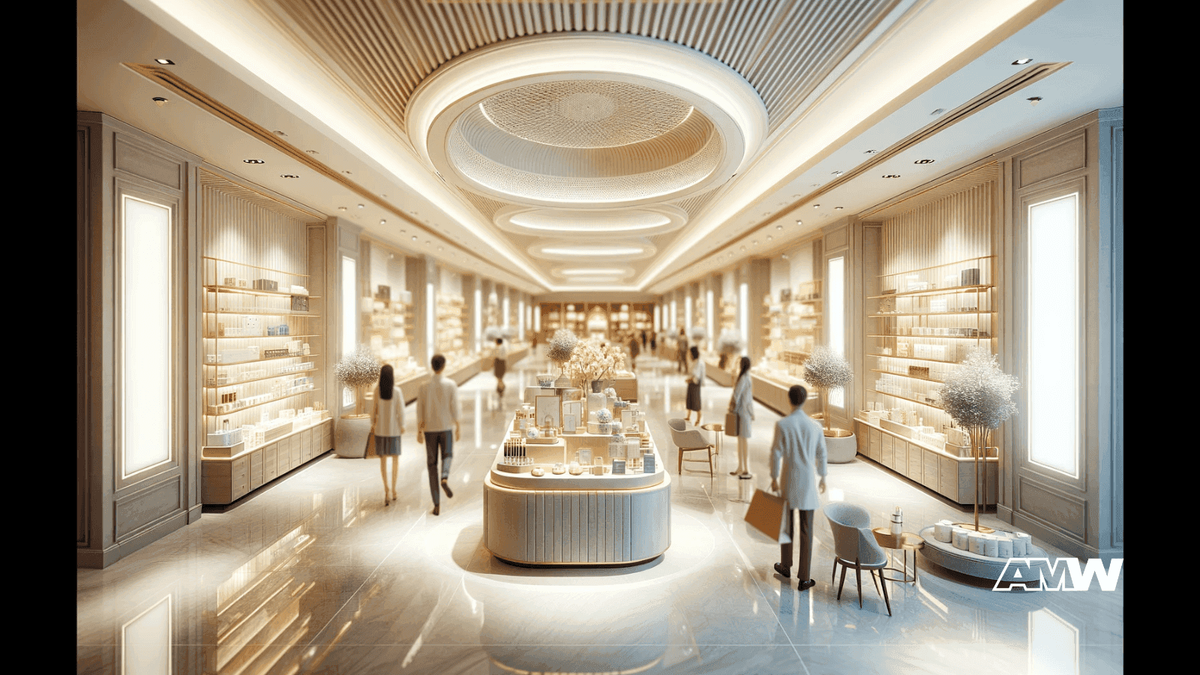
Creating a Unique Retail Atmosphere
Envision a partnership between retail technology companies and PR agencies. This collaboration can weave technology and storytelling, aiming to captivate media coverage that goes beyond mere information to truly enchant the audience.
A retail PR campaign can become a story spread across various media channels, transforming a business.
The effectiveness of retail PR may lie in influencing search engine results with clear, engaging communication. This approach can help craft a positive brand image and generate high-quality content.
Storytelling
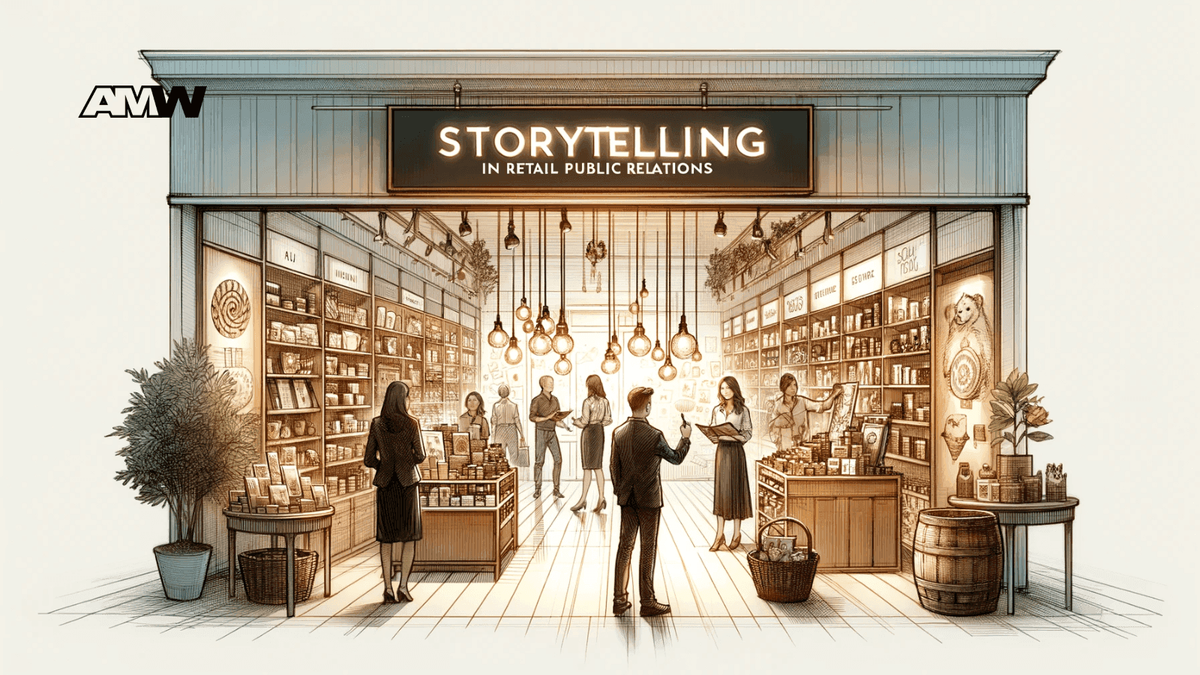
Engaging Customers with Authentic Stories
Dive into the art of storytelling, where every retail business, every tech company, and every retail tech startup may become a narrator.
A story is not just a narrative; it's often an experience your audience yearns to be part of. Consider sharing the journey of your retail company, weaving tales about the inspiration behind your products, and narrating the impact your brand has on the community. More than any press release or marketing strategy, this authentic storytelling can enhance your brand image and create a deeper connection with your audience.
In retail public relations , your story is often not told in whispers but broadcast through strategic counsel and content marketing . It can provide valuable insights into the heart of your brand.
Collaborate to Elevate

Imagine your retail business as a hub of creativity where local artists, influencers, and fellow businesses converge. Together, you may weave a tapestry of unique, co-branded experiences and products.
Each collaboration is like a thread, adding color and texture to your brand narrative , transforming your retail space into a canvas of endless possibilities.
Ready to Grow Your Business?
Get a custom strategy tailored to your goals.
In-Store Events with a Retail Pr Agency
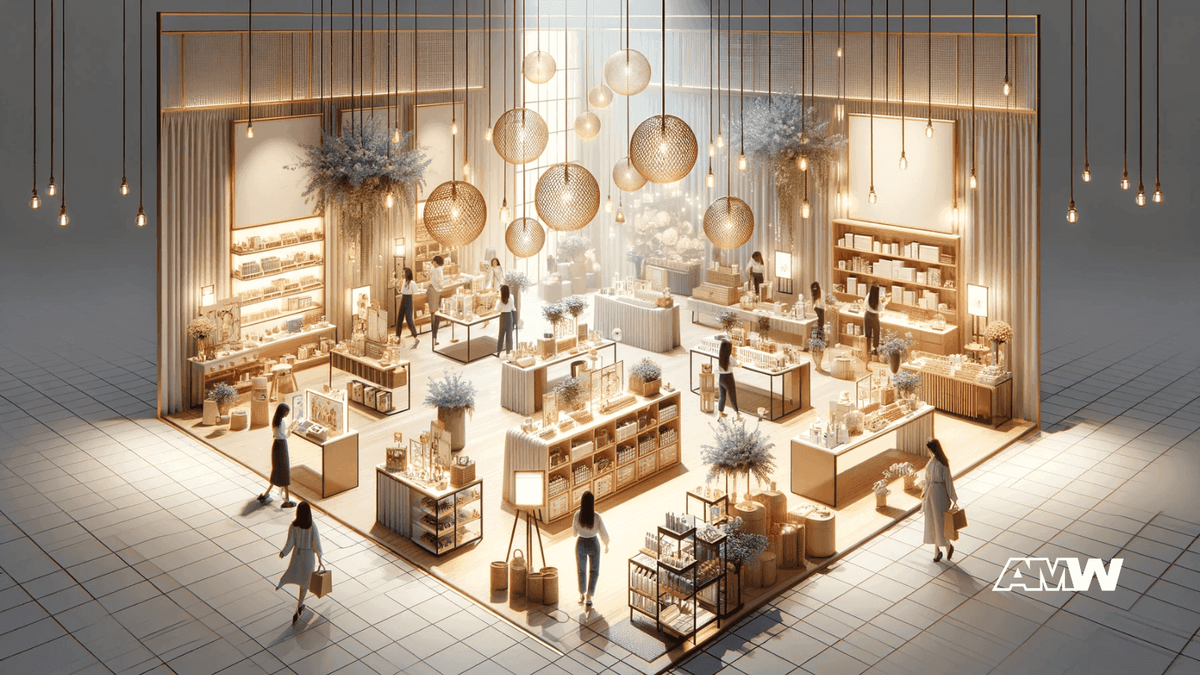
Each event, workshop, product launch , or community gathering can be in your retail PR campaign.
These events transcend the traditional boundaries of retail, offering more than just shopping; they may offer memories.
Imagine your store hosting a workshop where the local community learns, interacts, and grows together. Each of these events can be carefully designed to be memorable, Instagram-worthy, and inclusive, echoing your brand.
Positive Publicity

In retail PR, we find the heart of the story: the power of positive relationships.
Picture your retail business as a lively character in the community, engaging in interaction, participation, and responsiveness.
Imagine your retail space as a hub of community activity. Each customer interaction, whether online or offline, is a thread in the fabric of your brand's story.
Your commitment to direct communication, whether through social media platforms, face-to-face conversations, or community events, weaves a tapestry of trust and loyalty. This isn't just retail PR; it's relationship building, where every smile, every helpful gesture, and every resolved query adds to your brand's positive image.
Each positive review, shared experience, and recommendation may be a powerful endorsement , more impactful than any press release or marketing campaign.
Conclusion
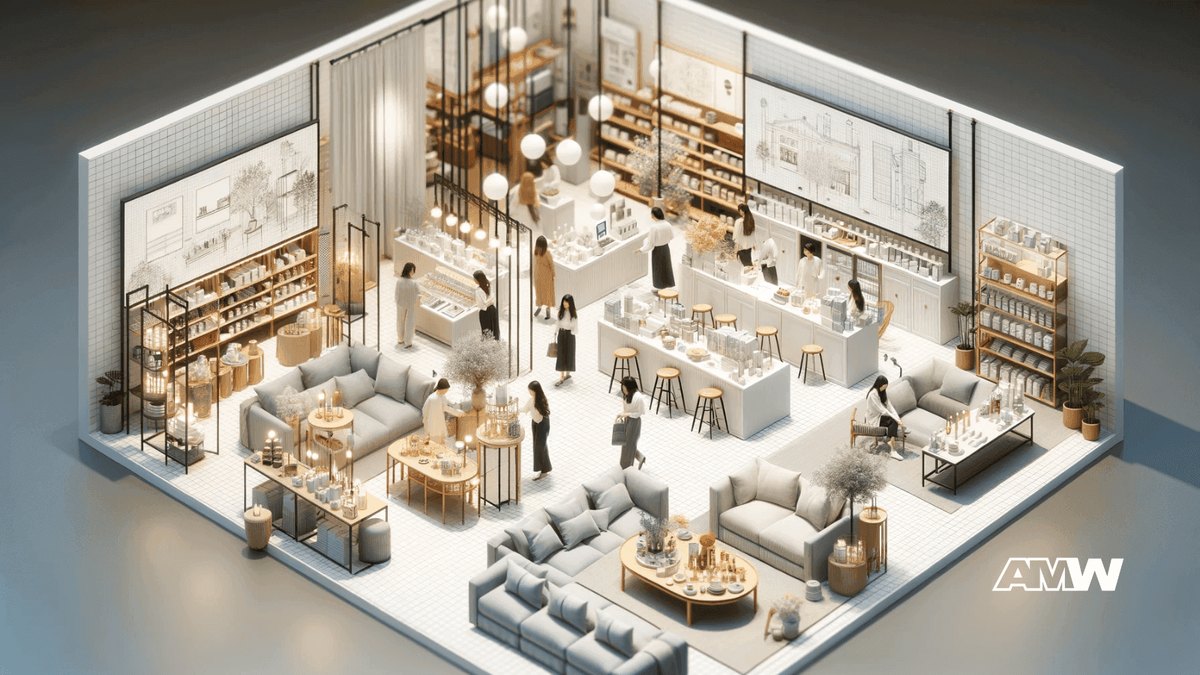
Retail PR unveils itself not as a mere tool for selling products but as a craft of experiences, relationships, and storytelling.
Ready to Grow Your Business?
Get a custom strategy tailored to your goals.
It can be a journey where a retail business, whether a small local store or a retail technology company, discovers its unique voice and story.
Leveraging Digital Channels for Retail PR Success
In today's interconnected world, digital channels serve as the backbone of effective retail PR strategies. Social media platforms like Instagram, TikTok, and LinkedIn offer unprecedented opportunities to amplify your brand's reach beyond traditional boundaries. A successful digital retail PR strategy requires understanding each platform's unique algorithm and user behavior patterns. For instance, Instagram thrives on visually appealing content that tells a story, while LinkedIn favors thought leadership pieces that position your retail business as an industry expert. Creating platform-specific content calendars and utilizing features like Instagram Stories, LinkedIn polls, and TikTok challenges can significantly boost engagement rates.
Email marketing remains one of the most powerful digital PR tools, offering direct access to your audience's inbox with personalized messaging. Develop segmented email campaigns that speak to different customer personas – from loyal repeat customers to potential new buyers. Include behind-the-scenes content, exclusive previews of new products, and personalized recommendations based on purchase history. The key is to provide value in every communication, whether through styling tips, industry insights, or early access to sales.
Search engine optimization (SEO) and content marketing work hand-in-hand to establish your retail brand as an authoritative voice in your niche. Develop a content strategy that addresses your customers' pain points and interests through blog posts, how-to guides, and industry trend analyses. For example, a fashion retailer might create seasonal styling guides, while a tech retailer could publish comparison reviews and setup tutorials. This content not only improves your search engine rankings but also provides valuable resources that journalists and influencers can reference, increasing your chances of earning high-quality backlinks and media coverage.
Crisis Management and Reputation Protection in Retail
Every retail business will eventually face challenges that could impact their reputation – from product recalls and supply chain disruptions to negative customer reviews and social media controversies. Developing a comprehensive crisis management plan before issues arise is crucial for maintaining customer trust and brand integrity. This plan should include clear communication protocols, designated spokespersons, pre-approved messaging templates, and escalation procedures. Train your team to identify potential issues early and respond swiftly with transparency and empathy. Remember that how you handle a crisis often matters more than the crisis itself.
Social media monitoring tools and Google Alerts can help you stay ahead of potential reputation threats by tracking mentions of your brand across the internet. Set up monitoring for your brand name, key executives, product names, and relevant industry keywords. When negative feedback surfaces, respond promptly and professionally, taking conversations offline when necessary. Acknowledge concerns publicly but handle detailed resolutions privately to show other customers that you care while protecting sensitive information. This proactive approach can often turn disappointed customers into brand advocates.
Building a repository of positive customer testimonials, press coverage, and community involvement stories creates a buffer against negative publicity. When your brand has a strong foundation of positive content and genuine customer relationships, isolated negative incidents are less likely to severely damage your reputation. Regularly update your website with fresh testimonials, maintain active profiles on review platforms like Google My Business and Yelp, and document your community involvement through photos and stories. This positive content foundation makes it easier to weather storms and provides readily available material to counter negative narratives.
Measuring ROI and Optimizing Retail PR Performance
Establishing clear key performance indicators (KPIs) is essential for demonstrating the value of your retail PR efforts and making data-driven improvements. Track both quantitative metrics like website traffic, social media engagement rates, media mentions, and conversion rates, alongside qualitative measures such as sentiment analysis and brand perception surveys. Use tools like Google Analytics to monitor how PR activities drive website traffic and sales, and implement UTM parameters to track the performance of specific campaigns. Set up custom dashboards that provide real-time visibility into your PR performance across all channels.
Attribution modeling helps you understand the customer journey and how different PR touchpoints contribute to sales. A customer might discover your brand through a media mention, follow you on social media, sign up for your newsletter, and finally make a purchase weeks later. Understanding these complex pathways allows you to allocate resources more effectively and optimize your PR strategy. Use customer surveys, promo codes, and tracking pixels to gather data on how customers heard about your brand and what influenced their purchasing decisions.
Regular performance reviews and strategy adjustments ensure your retail PR efforts remain effective and aligned with business objectives. Conduct monthly analysis sessions to review what worked, what didn't, and why. Look for patterns in successful campaigns and replicate those elements in future initiatives. A/B test different messaging approaches, timing strategies, and channel combinations to continuously improve performance. Consider seasonal trends, industry developments, and changing customer preferences when planning future campaigns. Document lessons learned and best practices to build institutional knowledge and improve team performance over time.

Ready to Grow Your Business?
Get a custom strategy tailored to your goals.
Frequently Asked Questions
What are the most effective retail PR strategies to increase store visibility?
The most effective retail PR strategies include authentic storytelling that showcases your brand's journey and community impact, strategic collaborations with local artists and influencers, hosting memorable in-store events and workshops, and building genuine customer relationships through direct communication. Focus on creating Instagram-worthy experiences that go beyond traditional shopping, leverage technology partnerships for enhanced media coverage, and consistently engage with your community both online and offline to build trust and loyalty.
How can small retail stores compete with larger brands through PR campaigns?
Small retail stores can compete by focusing on authentic community storytelling, hosting intimate local events, and building personal customer relationships that larger brands struggle to achieve. Partner with local artists and businesses for co-branded experiences, share your founder's journey and product inspiration stories, and create unique in-store workshops that transform your space into a community hub. These authentic connections often generate more powerful word-of-mouth marketing than expensive corporate campaigns.
What role does storytelling play in successful retail PR campaigns?
Storytelling transforms retail PR from simple product promotion into emotional experiences customers want to join. Effective retail storytelling involves sharing your brand's origin story, highlighting community impact, and narrating the inspiration behind products. This authentic narrative approach builds deeper customer connections than traditional press releases, enhances brand image through strategic content marketing, and creates valuable insights that resonate across media channels, ultimately driving stronger customer loyalty and engagement.
How do retail technology companies benefit from PR partnerships?
Retail technology companies benefit from PR partnerships by combining innovative tech solutions with compelling storytelling that captivates media coverage. These collaborations help tech startups and established companies alike craft clear, engaging communication that positively influences search engine results and brand perception. PR partnerships transform complex technology narratives into accessible stories, generate high-quality content, and position companies as industry leaders while reaching broader audiences through strategic media placement.
What types of in-store events generate the best PR results for retail businesses?
The most effective PR-generating events are interactive workshops, community learning sessions, product launches with local influencer partnerships, and co-branded experiences with artists or other businesses. These events should be Instagram-worthy, memorable, and inclusive while reflecting your brand values. Focus on creating experiences that offer more than shopping – provide education, entertainment, or community building opportunities that attendees will naturally share on social media and recommend to others.
How can retail businesses measure the success of their PR campaigns?
Measure retail PR success through media coverage quality and reach, social media engagement and user-generated content, customer review improvements, foot traffic increases during and after campaigns, and community participation in events. Track mentions across platforms, monitor brand sentiment changes, measure collaboration partnership results, and assess long-term customer relationship building through repeat visits and referrals. Focus on authentic relationship metrics rather than just immediate sales to gauge true PR impact.
What are the key differences between retail PR and traditional retail marketing?
Retail PR focuses on building authentic relationships, storytelling, and community engagement, while traditional marketing emphasizes direct sales promotion and advertising. PR creates organic media coverage through newsworthy events and genuine customer experiences, whereas marketing typically involves paid promotional content. Retail PR builds long-term brand reputation through consistent community involvement and authentic narratives, while traditional marketing often targets immediate purchase decisions through promotional offers and product-focused campaigns.
Related Resources
Calculators
Pricing Guides
Related Articles

What is Digital PR? A Guide to Finding the Best Digital PR Agency
Understanding digital PR can be important for startups and established brands seeking to revitalize their online presence. Remember, while this post offers some ideas, it’s essential to conduct you

Lifestyle PR: Shaping and Sharing Life-Enhancing Narratives
In modern living, where every hue of life can be vibrant and significant, Lifestyle Public Relations (PR) can emerge as a storyteller, weaving tales that inform and inspire. It's where narratives

Website Branding: How to Build a Brand for Your Website
Website branding is a big part of building a brand and connecting with potential customers. Whether it's through a consistent brand voice, brand personality, or branding website design, a branded