

Is Influencer Marketing Worth It? Evaluating the Costs Versus Benefits for Small Businesses

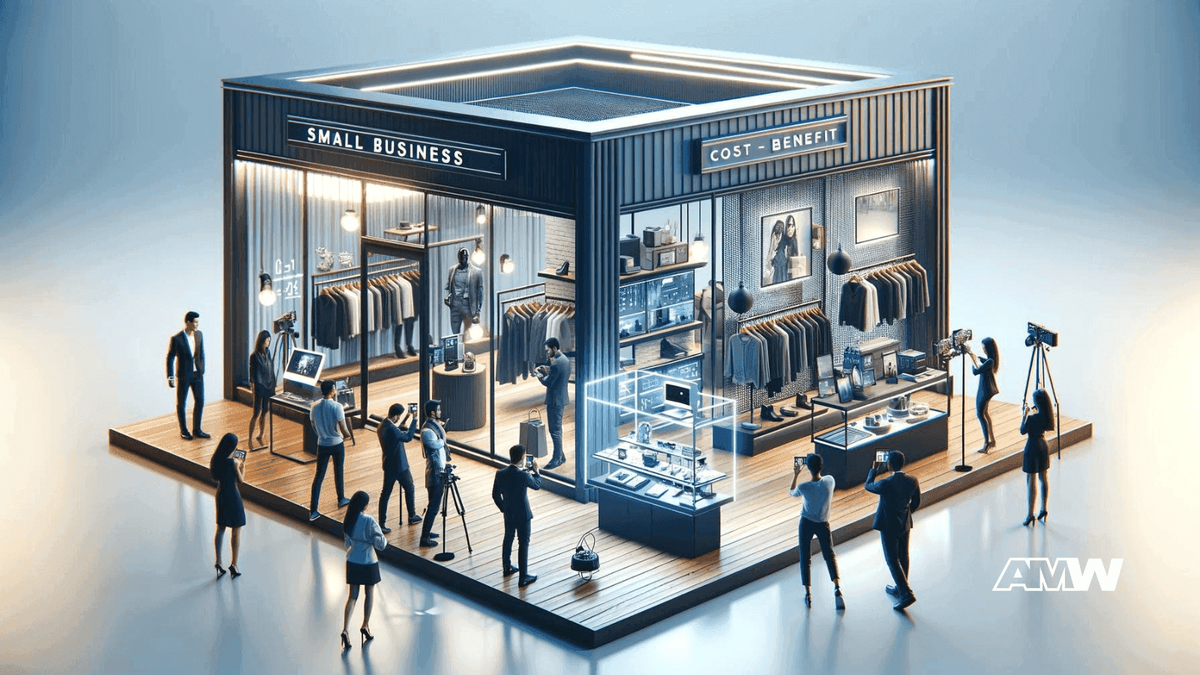
In the swiftly changing digital marketing arena, small businesses find themselves at a pivotal juncture, navigating the waters between the well-trodden routes of traditional advertising channels and social media influencers.

Quick Summary
In the evolving digital marketing landscape, influencer marketing emerges as a vital strategy for small businesses, capturing the attention of target audiences through trusted figures. It enhances brand awareness and drives authentic engagement by integrating brands into relatable narratives. Notably, the approach is cost-effective, allowing small businesses to allocate budgets wisely. By strategically selecting influencers, crafting genuine campaigns, and analyzing performance, small firms can
With the ascendancy of influencer marketing , a wave of curiosity and skepticism has emerged among small business owners, stirring the fundamental question: Is the investment in influencer marketing justifiable?
This article endeavors to shed light on this query by meticulously weighing the costs against the benefits of influencer marketing for small-scale enterprises. Our goal is to offer an uplifting and professional perspective that inspires and empowers your decision-making journey in the intricate world of digital marketing .
The Power of Influencer Marketing

To understand the influence and potential of influencer marketing, it's essential to recognize that it is far from being a fleeting trend. It stands as a robust, relationship-centric strategy that propels your brand into the lives of your target audience through individuals who command their trust and admiration. This marketing method utilizes influencers - individuals who have gained a significant following on social platforms based on their expertise, charisma, or relatability in specific niches or general lifestyle aspects.
For small businesses , the allure of influencer marketing is manifold. Firstly, it offers a golden opportunity to penetrate existing, engaged communities, immediately boosting visibility and credibility. This advantage is significant for small enterprises striving to discover a space in competitive markets.
What sets influencer marketing apart is its intrinsic ability to integrate your brand's narrative seamlessly into the daily discourse, rendering it relatable and accessible to a wider audience. This integration is achieved through authentic storytelling, where influencers share their genuine experiences or views on your products or services, effectively bridging the gap between a business and its prospective customers.
Moreover, influencer marketing transcends the simple act of promotion; it fosters a sense of connection and trust between the audience and your brand . As influencers share their authentic experiences or engage with your products in their unique, relatable manner, their followers—viewing these interactions as personal recommendations from a trusted friend—are more likely to feel a genuine interest and trust in what you offer.
Businesses can establish a great connection with their audience using influencer marketing, which allows for better engagement and personal endorsement than traditional advertising.
In essence, the power of influencer marketing for small businesses lies in its capacity to humanize a brand, making it a part of potential customers' everyday conversations and experiences. This quality not only elevates brand awareness but also enhances the overall perception and credibility of small businesses in the eyes of their target demographic.
Through strategic collaboration with the right influencers, small enterprises can leverage this dynamic marketing avenue to achieve significant growth , enhance their market position, and forge lasting connections with their audience.
Benefits for Small Businesses

Influencer marketing is a beacon of opportunity for small businesses , offering benefits that can significantly enhance their market presence and customer engagement.
Let's delve deeper into these advantages:
Enhanced Brand Awareness
In the vast ocean of the internet, gaining visibility can often seem like an insurmountable challenge for small businesses.
However, with their established audiences, influencers act as powerful amplifiers of your brand's message. They can propel your brand into the limelight, ensuring that a wider, highly relevant audience sees your products or services.
This level of exposure is not just about numbers; it's about introducing your brand to potential clients who may be interested in what you offer.
The impact of this enhanced brand awareness is profound, setting the stage for growth and expansion by increasing your brand's footprint.
Targeted Reach
One of the most strategic benefits of influencer marketing is reaching your target audience precisely.
By collaborating with influencers who resonate with your ideal customer base, you ensure your marketing messages are delivered directly to those most likely interested in your offerings. This targeted approach minimizes waste, ensuring your marketing budget is spent engaging with individuals who are more likely to convert into paying customers.
The result is increased efficiency in your marketing efforts and improved conversion rates, as your messages are tailored and relevant to those receiving them.
Authentic Engagement
The cornerstone of influencer marketing's effectiveness lies in influencers' genuine relationships with their followers.
This authenticity translates into trust and credibility for your brand when an influencer shares their honest thoughts or experiences with your products or services.
Their endorsement acts as a potent form of social proof, validating your brand in the eyes of potential customers and sparking genuine interest and engagement.
This type of engagement is invaluable, as it is rooted in trust, making potential customers more receptive to exploring your offerings and making a purchase.
Cost-Effectiveness
Influencer marketing is a highly cost-effective strategy compared to traditional advertising methods, particularly for small businesses and niche markets. The investment required for influencer collaborations can often be more flexible and scalable, allowing for a better allocation of marketing budgets based on actual performance and engagement levels.
Small businesses can make influencer marketing financially viable by negotiating partnerships through in-kind exchanges or performance-based compensations, further enhancing the ROI.
Navigating the Costs

While the allure of influencer marketing's benefits is undeniable, a prudent approach requires examining the associated costs.
Indeed, influencer marketing necessitates budgeting for various compensation forms— product giveaways, exclusive services, or direct financial payments. The investment required can vary significantly based on the influencer's reach, reputation, and engagement rates with their audience . It's here that strategic planning and savvy negotiation become critical.
Small businesses must seek influencers who not only align with their brand values and audience but also offer a balance between cost and potential exposure.
This process involves careful selection, clear communication of expectations, and an understanding of the mutual benefits the partnership can bring.
By navigating these costs with a strategic lens, small businesses can discover the full potential of influencer marketing, leveraging its benefits while managing expenses to ensure a favorable return on investment.
This balanced approach allows small businesses to tap into the power of influencer marketing, driving brand awareness, engagement, and growth efficiently and cost-effectively.
Making Influencer Marketing Work for Your Small Business
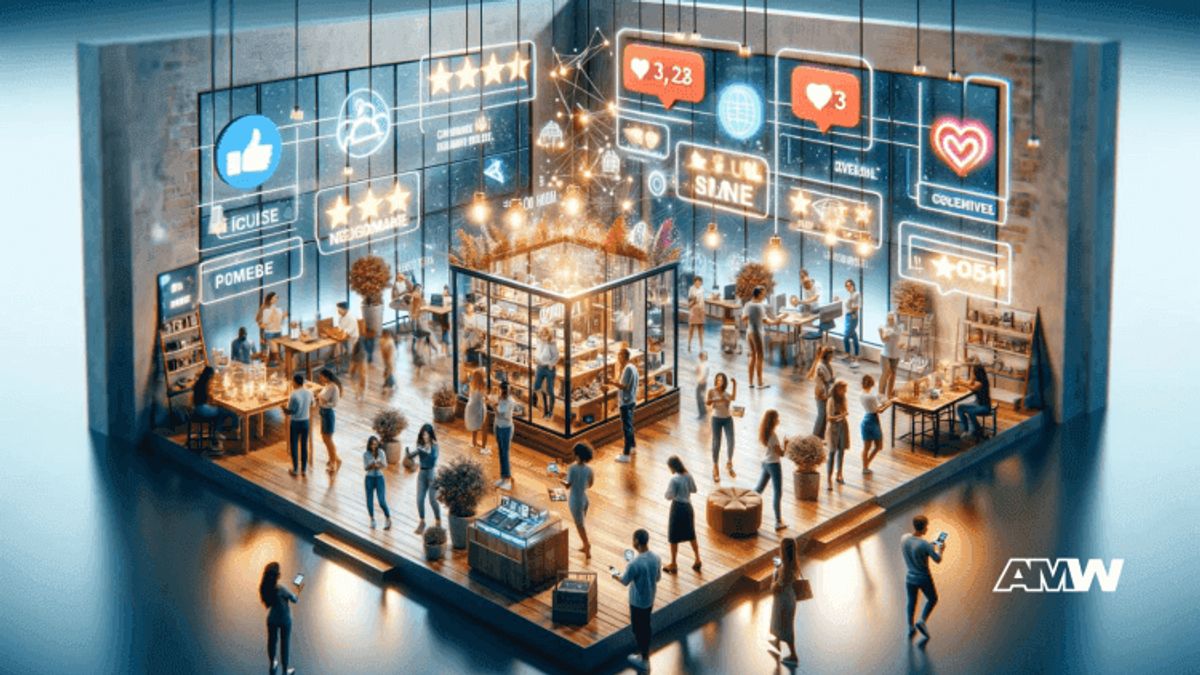
Harnessing the potential of influencer marketing necessitates a strategic approach, especially for small businesses keen on maximizing benefits while efficiently managing costs.
Below, we delve into strategies to optimize your influencer marketing efforts, ensuring they align with your business goals and budget.
Define Your Goals
Clarity in what you aim to achieve with influencer marketing is paramount. Whether your objective is to elevate brand awareness, boost sales, or introduce a new product to the market, having a clear set of goals will guide and help you measure success.
It's essential to articulate these objectives early in the planning process, as they will influence which influencers you collaborate with, the nature of the content created, and how success is measured.
Research and Choose Wisely
The vast and varied influencer landscape makes the selection process critical to your campaign's success.
Seek out influencers who share your brand's ethos and have a genuine rapport with their followers. It is important to align your brand message authentically to enhance its reception among potential customers. Micro-influencers often have higher engagement rates despite smaller audience sizes than their more famous counterparts, offering a cost-effective solution without compromising impact.
Their followers view them as more relatable and trustworthy, making their endorsements particularly influential.
Craft Authentic Campaigns
For a triumphant influencer marketing campaign , it is paramount to maintain authenticity. Work with influencers to create content that seamlessly incorporates your brand into their story, ensuring it resonates with their audience and feels like a natural extension of their regular content.
Authentic campaigns foster a deeper connection between your brand and potential customers, as they are perceived as genuine recommendations rather than paid endorsements, which is crucial in establishing trust and credibility for your brand among a wider audience.
Measure and Analyze
Tracking and analyzing your influencer marketing efforts' performance is imperative to truly understanding their impact.
Establishing clear Key Performance Indicators (KPIs) such as engagement rates, website traffic, and conversion rates provides tangible metrics for success. Utilizing analytics tools allows you to monitor these KPIs in real time, offering insights into what's working and might need adjustment.
This data-driven approach enables continuous strategy refinement, ensuring your influencer marketing campaigns align with your business objectives and deliver the desired ROI.
FAQs
How do I find the right influencer for my small business?
Identify influencers whose values and audience align with your brand . To streamline your search, utilize social media platforms, influencer marketplaces, and dedicated research tools.
Focus on those with engaged followings that mirror your target demographic for the best results.
Can small businesses afford influencer marketing?
Absolutely. Despite common concerns about budget constraints, influencer marketing offers scalable solutions suitable for various budget sizes. Engaging with micro- influencer s or exploring non-monetary compensation models such as product exchanges can render influencer marketing a viable option for small businesses.
How do I measure the success of an influencer marketing campaign?
Success measurement should revolve around predefined KPIs, including engagement rates, traffic, conversions, and sales. Employ analytics tools to track these indicators, which will provide a clear view of your campaign's performance and areas for improvement.
Is influencer marketing suitable for all types of small businesses?
While influencer marketing can be advantageous across numerous industries, its effectiveness hinges on the relevance to your sector, the resonance with your audience, and the authenticity of the influencer partnership . Before proceeding, assess how well influencer marketing fits into your broader marketing strategy and objectives.
In summary, influencer marketing presents an unparalleled opportunity for small businesses to enhance their brand presence and connect with their audience on a deeper level. Use influencer marketing to help your small business thrive. Strategically evaluate costs and benefits, implement focused campaigns, and embrace its transformative potential.


Frequently Asked Questions
How much should small businesses budget for influencer marketing campaigns?
Small business influencer marketing budgets typically range from $100-$5,000 per campaign, depending on influencer tier and scope. Micro-influencers (1K-100K followers) charge $10-$500 per post, while macro-influencers cost $500-$5,000+. Consider alternatives like product exchanges, affiliate commissions, or performance-based payments to reduce upfront costs. Start with 10-20% of your total marketing budget for testing, then scale based on ROI and conversion results.
What ROI can small businesses expect from influencer marketing?
Small businesses typically see $5.20 return for every $1 spent on influencer marketing, according to industry studies. However, ROI varies significantly based on industry, campaign goals, and execution quality. E-commerce businesses often see 3-6x ROI, while service-based companies may focus on brand awareness metrics. Track engagement rates, website traffic, conversion rates, and customer acquisition costs to measure true ROI beyond immediate sales.
How do small businesses find the right influencers for their budget?
Start by identifying micro-influencers (1K-100K followers) in your niche using hashtags, competitor research, and platforms like Creator.co or Upfluence. Look for 3-6% engagement rates, authentic audience interactions, and brand alignment. Check their previous partnerships and audience demographics. Consider local influencers for geographic targeting. Use Instagram's Creator Marketplace or reach out directly via DM with clear collaboration proposals including deliverables and compensation terms.
What are the hidden costs of influencer marketing for small businesses?
Beyond influencer fees, budget for content creation costs ($200-$1,000), product samples, shipping expenses, campaign management time (5-10 hours weekly), tracking tools ($50-$200/month), and potential legal contracts. Factor in revision requests, usage rights for repurposing content, and performance bonuses. Many small businesses underestimate the time investment for relationship management, content approval, and campaign monitoring, which can add 20-30% to total campaign costs.
How long does it take to see results from influencer marketing campaigns?
Immediate metrics like engagement, website traffic, and direct sales typically appear within 24-72 hours of content publication. Brand awareness and follower growth develop over 2-4 weeks. Long-term benefits like improved SEO, customer loyalty, and organic mentions emerge after 1-3 months. For sustained results, plan 3-6 month campaigns with multiple touchpoints. Single posts rarely drive significant long-term impact; consistent partnerships with 4-8 posts quarterly yield better ROI.
Should small businesses work with micro-influencers or macro-influencers?
Micro-influencers (1K-100K followers) are typically better for small businesses due to higher engagement rates (3-6%), lower costs ($10-$500 per post), and more authentic audience relationships. They offer better targeting for niche markets and higher conversion rates. Macro-influencers provide broader reach but lower engagement and higher costs. Start with 2-3 micro-influencers in your target demographic before investing in larger accounts to test audience response and optimize messaging.
How do small businesses measure influencer marketing success beyond sales?
Track engagement metrics (likes, comments, shares), reach and impressions, website traffic from influencer links, email signups, social media follower growth, and brand mention sentiment. Use UTM codes and unique discount codes to attribute traffic and sales. Monitor hashtag performance, user-generated content creation, and audience quality growth. Calculate cost-per-engagement and cost-per-click alongside traditional conversion metrics. Survey customers about brand discovery sources to measure long-term awareness impact.
Related Resources
Related Articles

PR Firms for Small Businesses: How to Choose the Right One
PR firms for small businesses are agencies that earn coverage, commentary and credibility for companies that cannot buy their way to attention. Here is what they do, how to compare them, and how to run the selection.

What Is Content Marketing? A Step-by-Step Guide
Content marketing, a term often encountered in digital marketing circles, transcends being a mere buzzword. It embodies a strategic methodology centered around crafting and disseminating valuable,