

Documentary: Saga Farmann – The Viking Merchant Ship
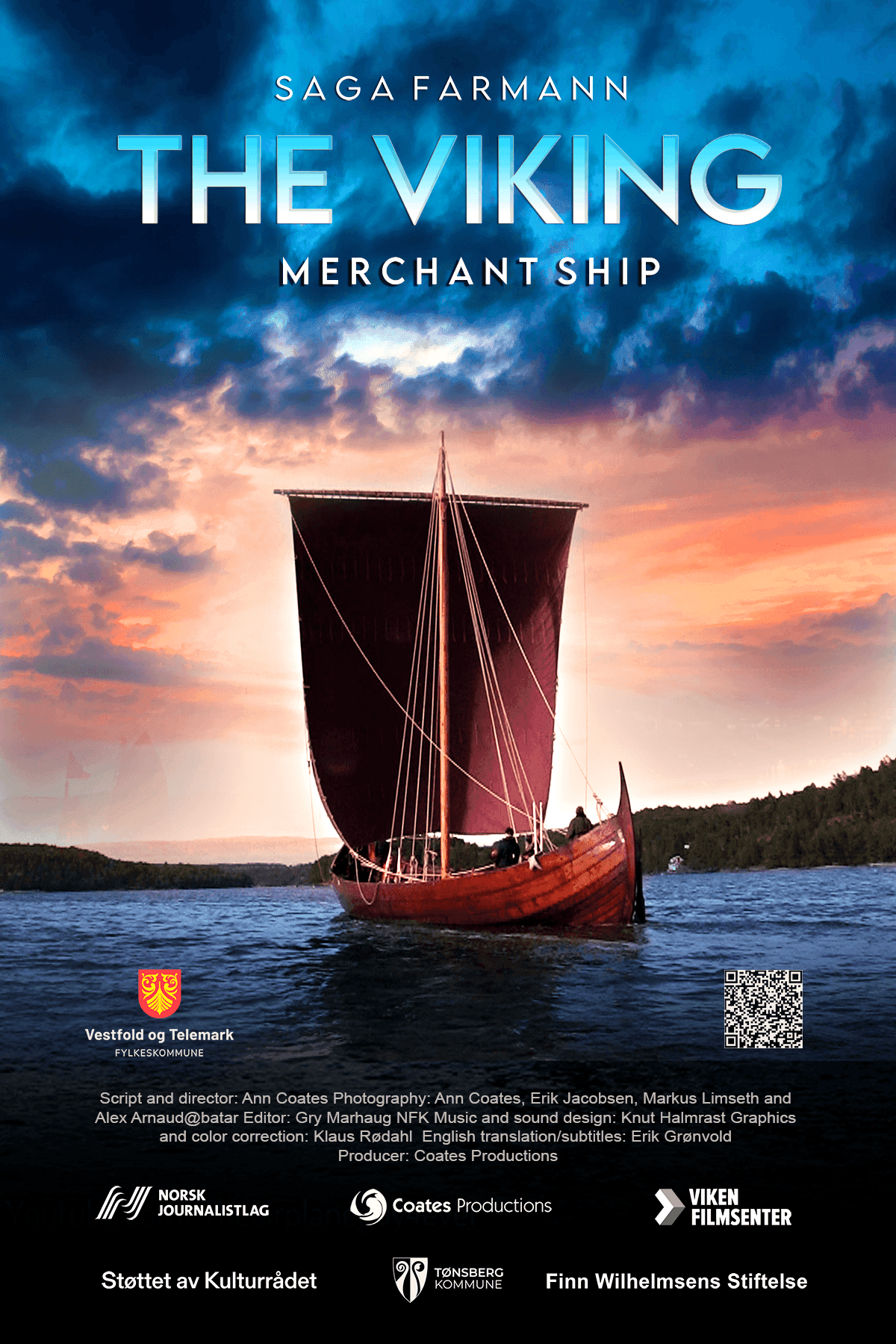
The rhythmic sound of adze on oak echoes across the shipyard in Tønsberg, Norway, where an extraordinary project bridges a thousand years of maritime history. Here, master craftsmen and passionate volunteers work side by side, their hands following techniques passed down through generations of Viking shipwrights. This isn't merely boat building—it's a form of time travel, where every carefully shaped plank and meticulously placed rivet brings us closer to understanding the remarkable seafaring culture that once dominated the North Atlantic.

Quick Summary
In Tønsberg, Norway, a dedicated group of craftsmen and volunteers collaborates to recreate the ancient Klåstadskipet, employing the UNESCO-recognized krarn technique. The film centers on the ship, called Saga Farmann, which represents Viking culture as skilled builders and traders. Driven by historian Eivind Luthen, a "people-to-people" expedition retraces Viking routes to Istanbul. Despite challenges like the COVID-19 pandemic, this journey exemplifies the enduring Viking spirit, inspiring fut
The Saga Farmann project represents one of the most ambitious examples of experimental archaeology ever undertaken. By reconstructing the Klåstadskipet using traditional Viking-age methods, this international team of builders, historians, and archaeologists seeks to unlock secrets that written records cannot reveal. Their work offers invaluable insights not just into shipbuilding techniques, but into the daily lives, trade practices, and remarkable maritime capabilities of the Norse merchants who sailed these vessels over a millennium ago.
This documentary captures more than just the construction of a replica ship—it documents a living experiment that challenges our assumptions about Viking technology, craftsmanship, and seafaring prowess. Through careful observation of traditional building methods and materials, the project reveals how these ancient mariners achieved such remarkable feats of navigation and commerce across the treacherous waters of medieval Europe.
Introduction: A Journey into Viking Shipbuilding
The Klåstadskipet discovery in 1893 near Larvik marked a pivotal moment in Viking maritime archaeology. Unlike the more famous burial ships found in royal mounds, this vessel represented something equally significant—the workhorse of Viking commerce. The preserved hull fragments, now housed at Slottsfjellsmuseet, reveal construction techniques that were both sophisticated and remarkably efficient. Through careful analysis of tool marks, joint patterns, and wood selection, archaeologists have pieced together a picture of shipwrights who possessed an intimate understanding of their craft that went far beyond simple trial and error.
Modern shipbuilders approaching this reconstruction face unique challenges that illuminate the expertise of their medieval predecessors. Working with green oak using only period-appropriate tools requires not just physical skill but a deep understanding of wood behavior, seasonal timing, and traditional joinery methods. The project team discovered that many techniques dismissed by earlier scholars as primitive were actually ingenious solutions to complex engineering problems. For instance, the seemingly crude clinker-built construction method actually creates a hull that becomes stronger and more watertight under stress—a principle that modern naval architects have only recently begun to fully appreciate.
The experimental archaeology approach employed in this project offers lessons applicable to any field seeking to understand historical practices. By actively engaging with traditional methods rather than simply studying them theoretically, researchers gain insights impossible to achieve through conventional academic study. This hands-on methodology reveals the accumulated wisdom embedded in traditional techniques and challenges modern assumptions about technological progress and innovation.
The Saga Farmann: A Modern-Day Viking Ship
The completed Saga Farmann stands as a testament to both ancient craftsmanship and modern dedication. Measuring approximately 30 meters in length, this knörr-type vessel represents the backbone of Viking Age commerce—sturdy, seaworthy, and capable of carrying substantial cargo across dangerous waters. Every element of her construction follows archaeological evidence, from the iron rivets forged by hand to the distinctive shallow draft that allowed Norse merchants to navigate both open seas and shallow rivers. The ship's broad beam and deep hold could accommodate everything from livestock and grain to precious metals and exotic goods from distant lands.
What makes the Saga Farmann particularly remarkable is her authentic construction methodology. The shipwrights employed techniques that would have been familiar to their 10th-century counterparts: selecting trees based on grain patterns, splitting rather than sawing planks to maintain wood strength, and using traditional caulking materials like moss and tar. This attention to historical accuracy extends beyond mere aesthetics—it ensures that modern sailors experience the same handling characteristics, weather responses, and practical limitations that Viking merchants would have encountered on their trading voyages.
The vessel's design reflects the Vikings' sophisticated understanding of maritime engineering principles that wouldn't be formally codified until centuries later. Her flexible construction allows the hull to work with heavy seas rather than fighting them, while her shallow draft and symmetrical design enable beach landings and river navigation impossible for deeper-hulled vessels. These features made Viking merchants uniquely capable of exploiting trade routes that remained inaccessible to other medieval seafarers, contributing significantly to their commercial success and cultural influence across Europe.
Beyond the Ship: Exploring Viking Peaceful Endeavors
While popular culture often emphasizes Viking raids and warfare, the Saga Farmann project illuminates the equally important but less sensational world of Norse commerce and peaceful expansion. Archaeological evidence increasingly supports the view that Vikings were as much merchants and explorers as they were warriors. Trade networks established by Norse merchants extended from Greenland to Constantinople, creating economic relationships that facilitated cultural exchange, technological transfer, and peaceful settlement. The knörr-type vessels like the original Klåstadskipet were specifically designed for these commercial ventures, prioritizing cargo capacity and seaworthiness over speed or maneuverability in battle.
The peaceful aspects of Viking expansion often overshadowed by dramatic tales of raids actually represent their most lasting contributions to European development. Norse merchants established trading posts that grew into major cities, introduced new technologies and agricultural practices to remote regions, and created the first truly international commercial networks in medieval Europe. Their legal traditions, including sophisticated commercial law and democratic assemblies, influenced legal development across the regions they settled. The Saga Farmann project helps restore balance to our understanding of Viking culture by highlighting these constructive achievements.
Modern entrepreneurs and business leaders can draw valuable lessons from Viking commercial practices revealed through experimental archaeology. Norse merchants succeeded through calculated risk-taking, extensive network building, and remarkable adaptability to local conditions. They understood the importance of reputation in long-distance trade, developed sophisticated credit systems for international commerce, and maintained quality standards that made Norse goods sought after across Europe. These principles remain relevant for anyone seeking to build sustainable business relationships across cultural and geographic boundaries.
A People-to-People Expedition: Following the Footsteps of Giants
The international character of the Saga Farmann project reflects the global fascination with Viking maritime achievements and demonstrates how historical projects can bridge modern cultural divides. Volunteers and experts from across Europe, North America, and beyond have contributed their skills to this endeavor, creating a modern parallel to the multicultural trading communities that Norse merchants established throughout their commercial empire. This collaborative approach enriches the project with diverse perspectives while fostering international understanding through shared purpose and mutual respect for historical craftsmanship.
The expedition plans for the Saga Farmann extend beyond simple recreation to genuine exploration of historical trade routes and cultural connections. By sailing the same waters and facing similar challenges to their Viking predecessors, the crew gains insights impossible to achieve through land-based research. Weather patterns, seasonal considerations, navigation challenges, and port facilities all influence merchant activities in ways that can only be fully understood through direct experience. These voyages serve as floating laboratories for testing theories about Viking navigation, ship handling, and commercial practices.
Educational outreach forms a crucial component of the people-to-people mission, with planned visits to schools, museums, and cultural institutions along historical trade routes. These interactions help dispel misconceptions about Viking culture while inspiring interest in maritime history, traditional crafts, and international cooperation. The project demonstrates how historical recreation can serve as a powerful educational tool, making abstract historical concepts tangible and relevant to contemporary audiences. For educators and cultural institutions, the Saga Farmann model offers a blueprint for engaging public interest in history through immersive, hands-on experiences.
Preparing for the Voyage: Embracing Tradition and Innovation
Preparing the Saga Farmann for extended ocean voyages requires careful balance between historical authenticity and modern safety requirements. The crew must master traditional sailing techniques while incorporating necessary safety equipment and communication technology. This dual approach offers valuable lessons about adapting historical wisdom to contemporary circumstances. Traditional skills like reading weather signs, understanding wind patterns, and managing a square-rigged vessel in heavy seas must be learned through practice and mentorship from experienced sailors familiar with historical vessel characteristics.
Crew training encompasses not just sailing skills but also traditional crafts necessary for voyage maintenance and daily life aboard a medieval merchant vessel. Participants learn rope making, wood carving, metalworking, and textile production—skills that Viking merchants would have considered essential for long voyages. This comprehensive approach to preparation reveals how thoroughly self-sufficient medieval seafarers needed to be, while demonstrating the practical value of traditional skills that modern society has largely forgotten. The training process itself becomes a form of cultural education that benefits participants long after the voyage ends.
Logistical planning for historical recreation voyages presents unique challenges that illuminate the remarkable organizational capabilities of Viking Age merchants. Coordinating international crews, securing permissions for historical vessels to enter modern ports, and arranging appropriate provisions requires skills similar to those employed by Norse trading captains. Modern project managers can learn valuable lessons about resource management, risk assessment, and flexible planning from studying how Viking merchants organized complex commercial expeditions with far fewer resources and support systems than available today.
Unforeseen Challenges: Navigating Uncertainty
Historical recreation projects like the Saga Farmann inevitably encounter challenges that test both technical skills and project management capabilities. Weather delays, equipment failures, and regulatory complications mirror the uncertainties that Viking merchants faced regularly. How modern teams respond to these challenges reveals both the resilience of traditional designs and the problem-solving approaches that made Viking commerce successful. When traditional repair methods prove insufficient or when modern regulations conflict with historical practices, project teams must develop creative solutions that honor both safety and authenticity.
The COVID-19 pandemic presented particular challenges for international collaborative projects, forcing teams to develop new approaches to training, coordination, and cultural exchange. Virtual collaboration tools, while obviously unavailable to Viking merchants, allowed the project to maintain momentum when physical gatherings became impossible. This adaptation highlighted the importance of flexibility and innovation in long-term projects while demonstrating how historical recreation can remain relevant even during unprecedented modern circumstances. The experience offers valuable insights for any international project dealing with uncertainty and disruption.
Technical challenges arising during construction and testing often provide the most valuable learning opportunities about Viking shipbuilding and seamanship. When traditional methods produce unexpected results or when modern materials behave differently than historical ones, project teams must investigate and adapt. These discoveries frequently lead to new understanding of original Viking techniques and reveal the sophisticated knowledge base that medieval shipwrights possessed. For researchers and practitioners in any field, these challenges illustrate the importance of embracing setbacks as learning opportunities rather than simply problems to be solved.
Key Takeaways
The Saga Farmann documentary captures more than just the construction and sailing of a remarkable replica vessel—it documents a journey of discovery that bridges past and present in profound and meaningful ways. Through meticulous attention to historical detail combined with modern collaborative approaches, this project reveals the sophisticated engineering, commercial acumen, and cultural adaptability that made Viking merchants among the most successful seafarers in human history. The lessons learned extend far beyond maritime archaeology, offering insights applicable to modern project management, international cooperation, cultural education, and sustainable business practices. As the Saga Farmann continues her voyages, she carries forward not just the memory of Viking achievements, but also the enduring human spirit of exploration, craftsmanship, and cross-cultural understanding that made those achievements possible.

Frequently Asked Questions
How long did it take to build the Saga Farmann replica?
The construction of the Saga Farmann took several years, involving hundreds of volunteers and craftsmen working with traditional tools and techniques. The timeline reflects the meticulous attention to historical accuracy and the educational nature of the project, allowing participants to fully learn Viking shipbuilding methods.
What makes Viking merchant ships different from their warships?
Viking merchant ships like the knörr were designed for cargo capacity and seaworthiness rather than speed and maneuverability. They featured broader beams, deeper holds, and more robust construction to handle heavy loads and rough seas during long commercial voyages.
How accurate is the Saga Farmann to the original Klåstadskipet?
The replica is built using archaeological evidence from the preserved hull fragments, combined with knowledge from other similar vessels and period construction techniques. While some elements require educated interpretation, the project maintains strict adherence to historically documented methods and materials.
Can anyone participate in the Saga Farmann project?
The project welcomes volunteers with various skill levels, though sailing crew positions require specific training and experience. Opportunities exist for participation in construction, maintenance, educational outreach, and support activities both on shore and during voyages.
What routes does the Saga Farmann sail?
The vessel follows historical Viking trade routes, visiting locations that were important to Norse commerce and settlement. These voyages serve both educational and research purposes, testing the ship's capabilities while sharing Viking maritime heritage with contemporary audiences.
How does the project ensure safety while maintaining historical authenticity?
The Saga Farmann incorporates necessary modern safety equipment and communications technology while keeping the ship's structure and sailing characteristics authentic to the Viking period. Crew training emphasizes both traditional seamanship and contemporary safety practices.
What can modern businesses learn from Viking merchant practices?
Viking merchants succeeded through network building, reputation management, calculated risk-taking, and cultural adaptability—principles that remain valuable today. Their international trade systems and quality standards offer timeless lessons for sustainable business development and cross-cultural commerce.
Related Resources
Calculators
Case Studies
Pricing Guides
Related Articles

7 Tips to Branding the Right Way
Companies are more than their products. Musicians are more than their music. It’s an experience. Consumers and fans connect to brands through the experience. Branding is the way you want to share your

The Ultimate Guide to Building Your Startup's Brand Narrative
Crafting a powerful brand narrative is a crucial step for any startup to establish a strong identity in the market. Your brand narrative is your story about your company, vision, and values. The emoti