

Hospitality Events: Creating an Effective Event Strategy

Planning successful hospitality events often involves a comprehensive strategy that may significantly impact the outcome.

Quick Summary
A well-crafted hospitality event strategy is crucial for fostering networking and sharing insights within the industry. Successful events should have clear, measurable goals, cater to a defined audience, and feature a comprehensive marketing timeline. Engaging attendees through social media and post-event engagement enhances community building, while budget allocation ensures an outstanding experience. To continuously improve, measuring success through both qualitative and quantitative metrics a
Whether these events are aimed at tourism professionals, industry leaders, or hotel owners, a well-considered hospitality event strategy can provide an invaluable opportunity to foster networking, share insights, and promote the latest trends within the hospitality industry.
Remember, while this blog post offers some ideas, it's essential to conduct your own research to tailor these ideas to your specific business needs.
Ready to Grow Your Business?
Get a custom strategy tailored to your goals.
Why Hospitality Events Matter
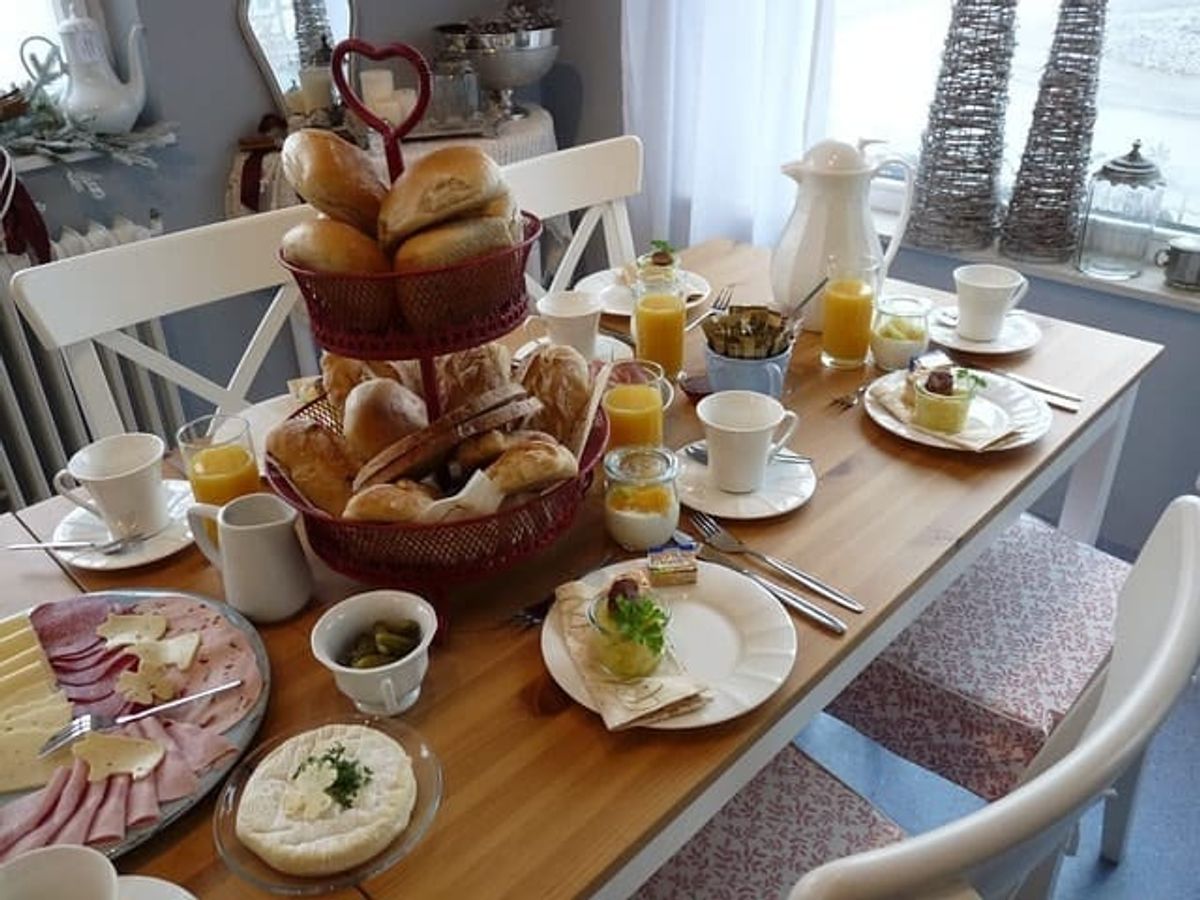
In an industry where networking and collaboration are paramount, hospitality events may provide a unique opportunity to bring together hospitality leaders, tourism boards, and senior executives.
Attending industry events allows industry professionals to share ideas, discover cutting-edge technology, and discuss timely international industry topics.
Whether the event is focused on hotel technology, management companies, or sustainable tourism, these gatherings can offer insights that may drive profitability and innovation within the hospitality sector.
The hospitality industry often thrives on interpersonal relationships and community building.
Thus, attending industry events can help professionals within the hospitality market build relationships, find solutions to current issues, and stay informed about the latest trends impacting the hotel sector.
These events may also allow industry experts and hotel owners to launch products, share data, and demonstrate leadership, making them a potentially crucial component of successful industry networking.
Defining Goals for Hospitality Events

A well-defined hospitality event strategy begins with understanding the event's goals.
Are the objectives related to boosting brand awareness within the hospitality market, networking with industry innovators, or exploring new technologies in hotel ownership?
Having specific and measurable goals can help in achieving helpful outcomes that contribute to business growth.
Clear goals may also inform the hospitality event's content.
From the latest trends in demand segmentation to new technologies aimed at enhancing the guest experience, understanding the needs of industry professionals may allow organizers to provide value to attendees.
Whether hosting an annual event for hotel brands or a hospitality conference, goal-driven planning can help align event activities with participants' expectations.
The Target Audience in the Hospitality Industry

An effective hospitality events marketing plan also considers the target audience.
The hospitality industry often includes a range of stakeholders—from hotel owners and senior executives to tourism professionals and hotel technology experts.
Defining the audience may help determine the content, type of industry events, and the most suitable platforms to engage participants.
Previous industry conferences, may provide valuable insights into attendee preferences and engagement.
Understanding the demographics, interests, and needs of hospitality professionals can enhance their experience and provide targeted networking opportunities, as well as educational programs and sessions.
Crafting an Events Marketing Timeline

Creating a comprehensive events marketing timeline may help ensure the success of hospitality events.
Starting the planning process early and breaking it down into phases—from pre- event promotion to post-event engagement—can make a difference in executing an effective event.
Ready to Grow Your Business?
Get a custom strategy tailored to your goals.
Pre-event efforts may involve building anticipation among attendees by promoting key speakers, general sessions, and opportunities for networking.
During the event, organizers can engage hospitality leaders through activities such as panel discussions, interactive Q&A sessions, or showcasing the latest technology innovations that are reshaping the hospitality market.
For instance, introducing solutions that focus on improving the guest experience or management efficiency may resonate well with hotel brands and lodging conference participants.
Post-event engagement can be equally crucial. By sharing content, gathering feedback, and analyzing participant responses, the hospitality sector may continuously improve the quality of future events.
Following up with highlights, insights, and key moments from a two-day conference can leave an impression and encourage future attendance.
Budgeting for Hospitality Events

An essential part of planning hospitality events is establishing an effective budget.
A well-allocated budget can help ensure resources are available to promote the event through appropriate marketing channels, provide engaging content, and create an outstanding experience for attendees.
Breaking down the event marketing budget into areas like social media marketing , email campaigns, promotional materials, and event management tools may help in achieving a well-rounded approach.
Hospitality events often involve significant costs, from securing a venue to coordinating logistics with partners. Collaborating with industry peers or securing sponsorships may help offset some of these costs.
Partnerships with hospitality leaders, management companies, or tourism boards may be beneficial not only for financial support but also for expanding the event's reach.
Engaging Through Social Media and Content

Social media can be used for promoting hospitality events, building anticipation, and engaging attendees.
Platforms like Instagram, X, and LinkedIn may help amplify the event by sharing sneak peeks, interviews with key industry innovators, and behind-the-scenes content.
Creating a specific hashtag for the hospitality event may help organize all content in one place and encourage attendees to share their experiences.
During the event, live content—such as updates, polls, and Q&A sessions—can create interactive experiences that enhance attendee engagement. Highlighting UGC , such as photos and videos from attendees, can foster a sense of community and keeps participants connected.
After the event, continued engagement through post-event marketing can help sustain momentum.
Sharing highlights, key takeaways from educational sessions, and participant testimonials may strengthen relationships and build excitement for future hospitality events.
Measuring the Success of Hospitality Events
To maximize the effectiveness of hospitality events, it may be important to measure their success through both qualitative and quantitative metrics.
Ready to Grow Your Business?
Get a custom strategy tailored to your goals.
Tools that provide data on social media engagement, ticket sales, and attendee feedback can be instrumental in evaluating the event's impact.
Reviewing what worked well and areas that need improvement may inform the planning of future industry events.
Feedback from participants—including hospitality professionals, hotel owners, and tourism professionals—may provide a deeper understanding of the event's strengths and opportunities for growth.
Incorporating both numerical data and personal insights can allow event organizers to continuously refine their approach, helping ensure each subsequent event meets and exceeds expectations.
Conclusion: Creating a Successful Hospitality Event Strategy

A successful hospitality event strategy may combine clear goals, comprehensive budgeting, audience engagement, and continuous improvement. Hospitality events can provide a unique opportunity for the hospitality industry to foster networking, share insights, and stay informed about the latest developments.
With the right planning, tools, and insights, hospitality events may effectively showcase industry leadership, engage key stakeholders, and provide a space for industry peers to connect, collaborate, and learn.
By attending hospitality events, professionals in the hospitality sector can gain a greater understanding of the industry and be better equipped to drive positive change and growth.
Whether it's a hospitality conference in New York City, a two-day conference in Europe, or an annual event hosted by global leaders in the hospitality sector, events may play a key role in shaping the future of the industry.
Leveraging Technology to Enhance Attendee Experience
Modern hospitality events increasingly rely on technology to streamline operations and create memorable experiences for attendees. Event apps have become essential tools that allow participants to access schedules, connect with other attendees, and receive real-time updates about session changes or networking opportunities. These platforms often include features like digital business card exchanges, interactive venue maps, and personalized agendas that help attendees maximize their time at the event.
Virtual and hybrid event formats have also transformed the hospitality events landscape, especially following the global shift toward digital experiences. Live streaming keynote presentations, virtual exhibition halls, and online networking lounges enable broader participation from international hospitality professionals who might not be able to attend in person. This technology integration not only expands the event's reach but also creates additional revenue streams through virtual ticket sales.
Advanced analytics tools can provide valuable insights into attendee behavior, session popularity, and engagement levels. Heat mapping technology can show which exhibition areas receive the most foot traffic, while sentiment analysis of social media mentions can gauge overall event satisfaction. These data points help organizers make informed decisions about future event programming and identify opportunities to improve the attendee experience.
Measuring Event Success and Return on Investment
Establishing clear metrics before the event begins is crucial for accurately measuring success and calculating return on investment. Key performance indicators for hospitality events should include both quantitative metrics like attendance numbers, lead generation , and social media engagement, as well as qualitative measures such as attendee satisfaction scores and speaker quality ratings. Post-event surveys should be distributed within 48 hours while the experience is still fresh in participants' minds.
Revenue-focused metrics are particularly important for hospitality events that aim to drive business outcomes. Track the number of qualified leads generated, partnerships formed, and deals initiated during the event. Many successful hospitality events implement lead scoring systems that help exhibitors and sponsors identify the most valuable connections made during the conference. Additionally, monitoring website traffic, demo requests, and sales inquiries in the weeks following the event provides insight into longer-term impact.
Long-term relationship building should also be measured as part of event success. Follow up with attendees three to six months after the event to track ongoing business relationships, collaborations, or knowledge implementations that resulted from connections made at the conference. This extended measurement period helps demonstrate the true value of hospitality events beyond immediate metrics and can justify future event investments to stakeholders.
Creating Memorable Experiences Through Strategic Programming
Successful hospitality events go beyond traditional conference formats by incorporating experiential elements that reflect industry trends and innovations. Consider organizing interactive workshops where attendees can experience new hotel technologies firsthand, such as contactless check-in systems or AI-powered concierge services. Culinary demonstrations featuring renowned chefs or innovative food concepts can showcase hospitality trends while providing engaging entertainment that attendees will remember long after the event concludes.
Strategic session programming should balance educational content with networking opportunities throughout the day. Implement formats like fishbowl conversations, where small groups rotate through different discussion topics, or speed networking sessions that efficiently connect attendees with similar interests or complementary business needs. Case study presentations featuring real hospitality businesses and their challenges create relatable content that provides practical takeaways for attendees to implement in their own operations.
Environmental consciousness and sustainability themes are increasingly important in hospitality events, reflecting broader industry trends toward responsible tourism and eco-friendly practices. Incorporate sustainable event practices such as digital-only materials, locally sourced catering, and carbon offset programs. Feature sessions on sustainable hospitality practices, green building technologies, and responsible tourism initiatives. These elements not only align with industry values but also demonstrate thought leadership and social responsibility to attendees and sponsors.

Ready to Grow Your Business?
Get a custom strategy tailored to your goals.
Frequently Asked Questions
How do you create an effective event strategy for hospitality industry conferences?
Creating an effective hospitality event strategy begins with defining clear, measurable goals such as boosting brand awareness, networking with industry innovators, or exploring new technologies. Understanding your target audience—whether hotel owners, senior executives, or tourism professionals—helps determine appropriate content and engagement platforms. Develop a comprehensive marketing timeline starting with pre-event promotion, engaging activities during the event like panel discussions, and post-event follow-up to maximize networking opportunities and educational value.
What are the main benefits of attending hospitality industry networking events?
Hospitality industry events provide opportunities to build interpersonal relationships, share insights on cutting-edge technology, and discuss timely international industry topics. These gatherings allow professionals to discover solutions to current challenges, stay informed about latest trends impacting the hotel sector, and foster collaboration between hospitality leaders, tourism boards, and senior executives. Events also enable industry experts to launch products, share data, and demonstrate leadership within the hospitality market.
Who should attend hospitality industry events and conferences?
Hospitality events attract a diverse range of stakeholders including hotel owners, senior executives, tourism professionals, hospitality leaders, tourism board members, management company representatives, and hotel technology experts. Industry innovators, hotel brand representatives, and professionals focused on sustainable tourism also benefit from attending. Understanding this varied audience helps organizers create targeted networking opportunities, educational programs, and content that addresses the specific needs and interests of different hospitality market segments.
How far in advance should you start planning hospitality event marketing campaigns?
Hospitality event marketing should start early with a comprehensive timeline broken into phases covering pre-event promotion, during-event engagement, and post-event follow-up. Pre-event efforts should build anticipation by promoting key speakers, general sessions, and networking opportunities. The timeline should account for reaching hospitality professionals across different segments, from hotel technology experts to tourism board members, ensuring adequate time for attendee registration and engagement planning.
What topics should hospitality industry conferences focus on in 2024?
Modern hospitality conferences should address cutting-edge technology innovations reshaping the hospitality market, sustainable tourism practices, demand segmentation strategies, and guest experience enhancement solutions. Key topics include hotel technology advancements, management company best practices, industry profitability drivers, and international industry trends. Events should also focus on practical solutions for current industry challenges, networking opportunities between hospitality leaders, and showcasing innovations that drive business growth in the hotel sector.
How can hotel owners maximize ROI from hospitality industry event participation?
Hotel owners can maximize event ROI by setting specific, measurable goals before attending, whether for brand awareness, technology discovery, or strategic networking. Focus on targeted networking with industry innovators, tourism professionals, and senior executives. Actively participate in panel discussions, Q&A sessions, and technology showcases. Leverage events to launch products, share industry data, and demonstrate thought leadership. Follow up post-event to maintain relationships and implement insights gained from industry conferences and educational sessions.
Related Resources
Calculators
Pricing Guides
Related Articles

Event for Marketing: Crafting an Effective Strategy
Planning an event for marketing purposes can be a good tool to connect with your audience, create memorable experiences, and promote your brand. Whether organizing in-person events, virtual events

Events Marketing Plan: Creating an Event Strategy
Planning a successful event often requires a well-thought-out strategy that can significantly impact its outcome. Whether you're organizing a conference, a product launch, or a community event, an

Event Marketing: Strategies for Successful Marketing Events
Event marketing stands out as a tool for engaging audiences and promoting brands. Imagine hosting an event that captivates your audience and drives significant growth for your brand. Event marke