

Email Marketing Strategies for Enhancing Customer Engagement and Loyalty

When the flood of daily emails can seem endless, the ability to make a meaningful connection with your customers through their inbox is more crucial than ever.
Quick Summary
Effective email marketing hinges on personalization and valuable content, allowing businesses to foster deeper connections with customers. By employing segmentation and maintaining a consistent communication rhythm, brands can enhance customer engagement and loyalty. Integrating responsive design and interactive elements elevates the user experience, while automation streamlines personalized outreach. Continuous monitoring, testing, and optimization ensure strategies remain relevant. Ultimately,
Email marketing, an enduring mainstay in customer engagement and loyalty tactics, provides a direct line to your audience. Despite the challenge of cutting through the noise, a strategic and innovative approach to email marketing can significantly strengthen the bond between a business and its customers. This deepened relationship not only fosters loyalty but also propels business growth.
By employing key strategies to refine your email marketing campaigns , you can transform them into a formidable force for enhancing customer engagement and loyalty.
Ready to Grow Your Business?
Get a custom strategy tailored to your goals.
Personalization and Segmentation
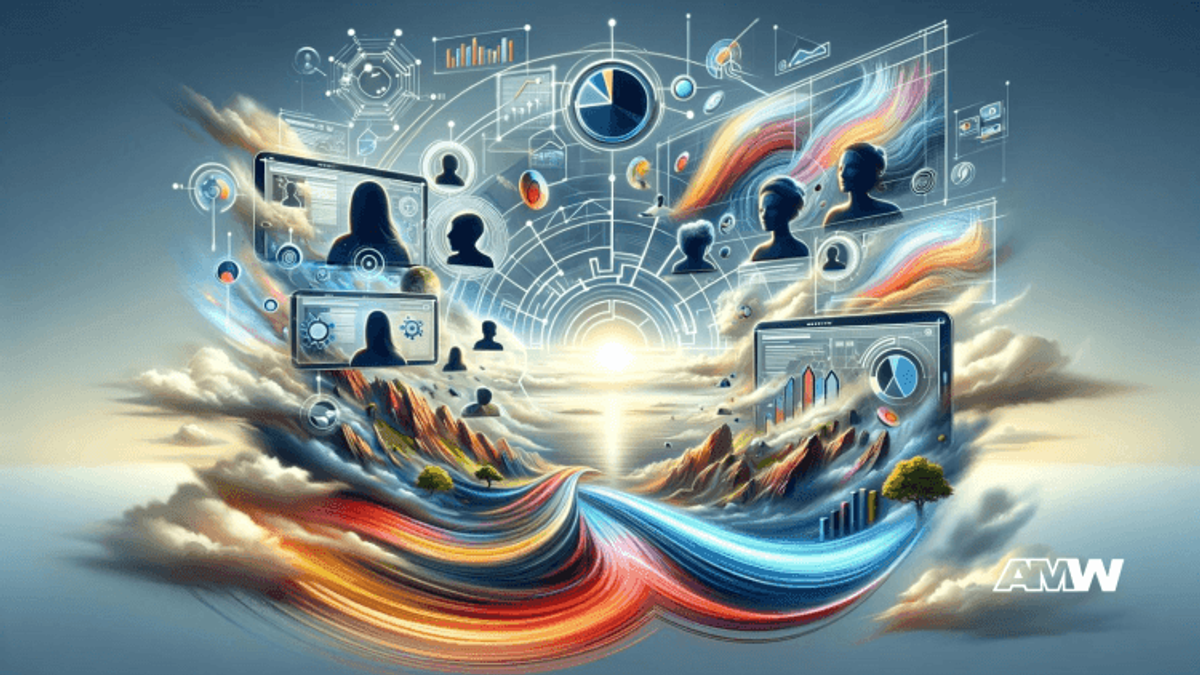
Gone are the days when a generic, broad-strokes approach could captivate your audience's attention. In today's world, where personalization has become the norm rather than the exception, customers have grown to expect interactions that feel tailor-made for them.
This expectation has set the bar high for businesses to adopt a more nuanced approach to communication. Segmenting your email list into specific groups based on demographic details, purchase behaviors, and levels of engagement allows for crafting messages that speak directly to each segment's unique needs and interests.
However, personalization in email marketing transcends merely addressing the recipient by name. It's about the thoughtful curation of content, offers, and product recommendations in sync with the individual's preferences. This level of customization makes each email feel like a personal note rather than a blanket dispatch.
Implementing these strategies means moving beyond the superficial layers of personalization to create connections that resonate on a deeper level with each recipient.
Valuable and Relevant Content
The adage "content is king" rings particularly true in email marketing . The content of your emails plays a pivotal role in engaging subscribers.
It's not just about bombarding them with messages but providing them with something of genuine value. Whether through enlightening articles that shed light on topics of interest, exclusive deals that offer tangible benefits, or sneak peeks at upcoming products or services, the goal is to enrich your subscribers' lives in some way.
High-quality content serves multiple purposes. It keeps subscribers interested and engaged and cements your brand's value proposition in their minds. By consistently delivering something beneficial, you retain their attention and cultivate loyalty. Each email becomes an opportunity to demonstrate your brand's ongoing value, encouraging subscribers to stay connected and engaged over time.
In essence, the success of email marketing in enhancing customer engagement and loyalty hinges on how well a business can personalize its communications and deliver content that provides real value. By focusing on these key strategies, companies can leverage email marketing to forge stronger, more meaningful relationships, ensuring a loyal customer base and driving sustainable growth.
Ready to Grow Your Business?
Get a custom strategy tailored to your goals.
Consistent and Timely Communication
Maintaining a consistent and timely communication strategy is vital in the fast-paced world of email marketing . The rhythm of your email dispatches plays a significant role in building a stable relationship with your audience.
By sticking to a regular schedule, your brand remains in the conscious minds of your subscribers, creating a sense of anticipation for your following message. This consistency is key to developing a trusted line of communication where your audience looks forward to your emails as valuable sources of information and offers.
Moreover, timing these communications to align with current trends, seasons, or notable events can amplify their relevance and appeal. It's a delicate dance, however, as overstepping in frequency can have adverse effects, such as subscriber fatigue or an increase in unsubscribe rates. The art lies in finding that sweet spot where your communications are eagerly anticipated, not dreaded.
Interactive and Responsive Design
Transitioning into the design aspect, the shift towards mobile has profoundly impacted how emails are consumed.
The reality now is that most emails are accessed on smartphones and tablets, making responsive design not just an advantage but a necessity, which ensures that your emails automatically adjust to fit the screen of any device, providing an optimal viewing experience for all subscribers. Integrating interactive elements like surveys, polls, and clickable buttons can transform passive reading into an interactive experience to take engagement to the next level .
These elements make your emails more engaging and serve as tools for gathering insights about your subscribers' preferences and behaviors, enabling even more personalized communication in the future.
Utilize Automation Wisely
Harnessing the power of email automation is another strategy that cannot be overstated. When used judiciously, automation allows for delivering timely, relevant, and personalized messages triggered by specific customer actions or milestones.
This could range from a warm welcome email that greets new subscribers, celebratory messages offering special deals on birthdays, to thoughtful follow-ups post-purchase. These automated touches can make customers feel valued and seen, significantly boosting loyalty. Importantly, automation facilitates these interactions at scale, ensuring every opportunity for engagement is noticed while freeing up valuable time and resources for other strategic initiatives.
These strategies underscore the importance of being consistent and timely in your communication, leveraging responsive and interactive design to captivate your audience, and utilizing automation to maintain a personalized dialogue with your customers. Together, they form a robust framework for enhancing customer engagement and loyalty through email marketing, ensuring your brand captures attention and holds it, fostering a community of loyal subscribers.
Ready to Grow Your Business?
Get a custom strategy tailored to your goals.
Monitor, Test, and Optimize
The mantra of "monitor, test, and optimize" is not just advice; it's the bedrock upon which successful email marketing strategies are built.
The dynamic nature of customer preferences and the digital landscape necessitates a proactive approach to managing email campaigns. By engaging in regular monitoring and analysis, you gain invaluable insights into the performance of your email initiatives. This continuous feedback loop and adaptation enables you to discern which strategies resonate with your audience and which fall flat.
A/B testing plays a pivotal role in this optimization process. By experimenting with different subject lines, email body content, and calls to action, you can gather data on what prompts your audience to engage and convert . This methodical approach to testing allows you to refine your email marketing tactics based on empirical evidence, ensuring that each campaign is more effective than the last.
Moreover, this iterative testing and optimization process ensures that your email marketing efforts remain aligned with your audience's evolving preferences, maximizing engagement and conversion rates over time.
FAQ
How often should I send marketing emails to my customers?
Determining the right frequency for sending marketing emails is more an art than a science. It hinges on understanding your audience's preferences and the nature of the content you're providing. Initiating a moderate emailing schedule and adjusting based on observed engagement rates and subscriber feedback is prudent. Remember, the emphasis should always be on delivering quality content rather than the quantity of emails sent. Overloading subscribers' inboxes can lead to diminished engagement and increased unsubscribe rates, so it's crucial to strike the right balance.
What metrics should I focus on to measure engagement?
To gauge the success of your email marketing efforts, focus on key performance indicators such as open rates, click-through rates, conversion rates, and unsubscribe rates. These metrics offer direct insights into how engaging and effective your emails are. Additionally, monitoring the growth rate of your email list and analyzing engagement levels of new versus existing subscribers can provide deeper insights into the health and effectiveness of your email marketing strategy.
How can I grow my email list?
Growing your email list is fundamental to expanding your reach and engagement. Email value is essential, whether through informative content, exclusive offers, or insider access to new products or services. Utilizing website pop-ups, landing pages with compelling offers, and leveraging social media channels are effective tactics to attract new subscribers. Ensuring a seamless signup process is also critical. To foster a list of genuinely interested subscribers, it's advisable to implement a double opt-in process, which also helps in maintaining compliance with data protection regulations.
How can I reduce my email unsubscribe rate?
Reducing your unsubscribe rate involves a multifaceted approach. Key strategies include delivering relevant and valuable content to your audience, maintaining a consistent yet moderate email frequency to avoid overwhelming your subscribers, and segmenting your list to ensure personalized communication. Additionally, allowing subscribers to adjust their email preferences can help retain those who might otherwise opt out entirely.
Email marketing, with its direct and personalized nature, is a potent tool for fostering customer engagement and loyalty. The strategic emphasis on personalization, value, consistent communication, and an unwavering commitment to optimization form the cornerstone of a successful email marketing campaign . By adhering to these principles and continuously refining your approach based on direct feedback and performance data, email marketing can significantly contribute to your business's growth and cultivate a loyal customer base.

Ready to Grow Your Business?
Get a custom strategy tailored to your goals.
Frequently Asked Questions
How often should I send marketing emails to avoid customer fatigue?
The optimal email frequency depends on your audience and content quality, but most successful businesses send 1-4 emails per week. Start with weekly emails and monitor engagement metrics like open rates and unsubscribe rates. If engagement remains high, you can gradually increase frequency. Focus on delivering valuable content rather than hitting a specific number. Test different schedules with A/B testing to find your sweet spot, and always prioritize subscriber preferences over arbitrary sending schedules.
What are the most important email marketing metrics to track for customer engagement?
Key engagement metrics include open rates (industry average 20-25%), click-through rates (2-5%), conversion rates, and unsubscribe rates (under 0.5%). Also monitor time spent reading emails, forward rates, and email sharing on social media. Advanced metrics like engagement over time and customer lifetime value help measure long-term loyalty. Use heat maps to track which email sections generate most clicks, and monitor deliverability rates to ensure emails reach inboxes effectively.
How do I personalize emails beyond just using the customer's first name?
Effective personalization includes behavioral triggers like abandoned cart reminders, purchase history-based product recommendations, and content based on browsing patterns. Segment audiences by demographics, purchase frequency, engagement levels, and preferences. Send birthday offers, location-based promotions, and anniversary emails. Use dynamic content blocks that change based on customer data, personalized subject lines mentioning past purchases, and tailored send times based on when individual customers typically engage with emails.
What types of email automation sequences work best for building customer loyalty?
High-performing automation sequences include welcome series (3-5 emails introducing your brand), post-purchase follow-ups with care instructions or complementary products, win-back campaigns for inactive subscribers, and milestone celebrations like anniversaries. Implement educational drip campaigns that provide ongoing value, re-engagement sequences for dormant customers, and VIP programs for loyal customers. Birthday and special occasion emails with exclusive offers consistently drive high engagement and strengthen customer relationships.
How can I improve email deliverability and avoid spam folders?
Maintain good sender reputation by using authenticated domains (SPF, DKIM, DMARC), keeping bounce rates under 2%, and avoiding spam trigger words. Build organic email lists through opt-in forms rather than purchasing lists. Maintain consistent sending patterns, use recognizable sender names, and include clear unsubscribe options. Regularly clean your email list by removing inactive subscribers, and monitor your sender score. Test emails across different providers and use reputable email service platforms.
What email design elements make the biggest impact on mobile engagement?
Use single-column layouts that adapt to small screens, with font sizes of at least 14px for body text and 20px for headers. Design clickable buttons with minimum 44px height for easy finger tapping. Keep subject lines under 40 characters to avoid truncation on mobile. Use concise, scannable content with plenty of white space. Ensure images load quickly and include alt text. Test emails across different devices and email clients, and place your primary call-to-action above the fold.
How do I segment my email list effectively to increase customer engagement?
Start with basic demographic segmentation (age, location, gender), then advance to behavioral segments based on purchase history, email engagement levels, and website activity. Create segments for new subscribers, loyal customers, and at-risk customers. Use psychographic data like interests and preferences gathered through surveys. Implement dynamic segmentation that automatically updates based on customer actions. Geographic segmentation helps with timing and local promotions, while engagement-based segments help tailor content frequency and style to subscriber preferences.
Related Resources
Calculators
Case Studies
Pricing Guides
Related Articles

How to Write a Newsletter?
Newsletters can be a way to connect with an audience on a personal level. A well-written newsletter can serve as a bridge between a brand and its subscribers, delivering content that informs, ente

AI-Powered Personalization in 2026: Disruptive Trends Every Brand Must Know
AI-powered personalization is transforming how brands connect with their customers by tailoring experiences to individual preferences. By leveraging advanced algorithms, businesses can analyze user be

Brand Myth: Building Authentic Connections with Consumers
While traditional marketing approaches often focus on product features and competitive advantages, some successful companies are beginning to explore storytelling as a means to build lasting relations