

How to Advertise an Event: Top Tips

Effective event advertising is crucial for ensuring your event's success. Whether you're organizing a corporate conference, a product launch, or a community fundraiser, the right promotion strategies can significantly boost attendance and engagement. Understanding how to advertise for an event is essential in today's competitive market.
Quick Summary
Effective advertising strategies are essential for successful events like corporate conferences or product launches. Key steps include defining specific goals, understanding and researching your audience, and creating engaging content that highlights unique aspects of the event. Utilizing social media platforms, email marketing, and influencer partnerships can broaden reach and enhance engagement. A well-optimized event website increases visibility, while paid advertising can amplify results. Fi
This guide provides top tips on how to advertise an event effectively, ensuring your efforts yield the best results.
Your Goals and Audience
The first step in event advertising is to clearly define your goals. Are you aiming to maximize attendance, generate leads, or increase brand visibility? Having specific objectives will help tailor your advertising efforts.
Conduct thorough research using surveys, social media analytics, and feedback from past events to create a comprehensive audience profile. Aligning your goals with your audience's needs will help create more targeted and effective event advertising.
Event Content
Creating interesting content is crucial for effective event promotion. Your content should inform, engage, and excite potential attendees. Begin with a captivating event description that shows the unique aspects of your event.
Visuals are equally important. High-quality images, videos, and graphics can capture attention and convey the event's atmosphere. Consider creating a teaser video or infographic that showcases what attendees can expect.
To enhance your content's reach, incorporate keywords naturally. For example, phrases like "how to advertise an event" or "best ways to advertise an event" can improve your search engine visibility, driving more traffic to your event page.
Social Media Platforms

Platforms like Facebook, Instagram, LinkedIn, and X offer various features that can help promote your event. Set up an event page on Facebook and keep it updated with fresh information and engaging content on a regular basis.
Tailor your content for each platform. For instance, Instagram Stories and Reels can be used to provide behind-the-scenes looks or countdowns to the event. On LinkedIn, share professional updates and engage with industry groups to increase visibility.
Consistency is key. Create a content calendar with regular posts leading up to the event. Utilize hashtags and keywords like "advertise an event" and "event advertising" to reach a broader audience. Engaging with your audience through direct messages can also create a sense of community and anticipation.
Email Marketing Campaign

Email marketing is one of the best ways to advertise events. Start by building a targeted email list. Segment your audience on past attendance, interests, and demographics to ensure your messages are relevant.
Make compelling subject lines to increase open rates. Highlight key event details, benefits of attending, and any special offers or early bird discounts.
Include clear calls to action and easy links to the event registration page. Regularly update your email list with new information and reminders as the event date approaches. By personalizing your emails and providing value, you can significantly boost engagement and attendance.
Influencers and Partnerships
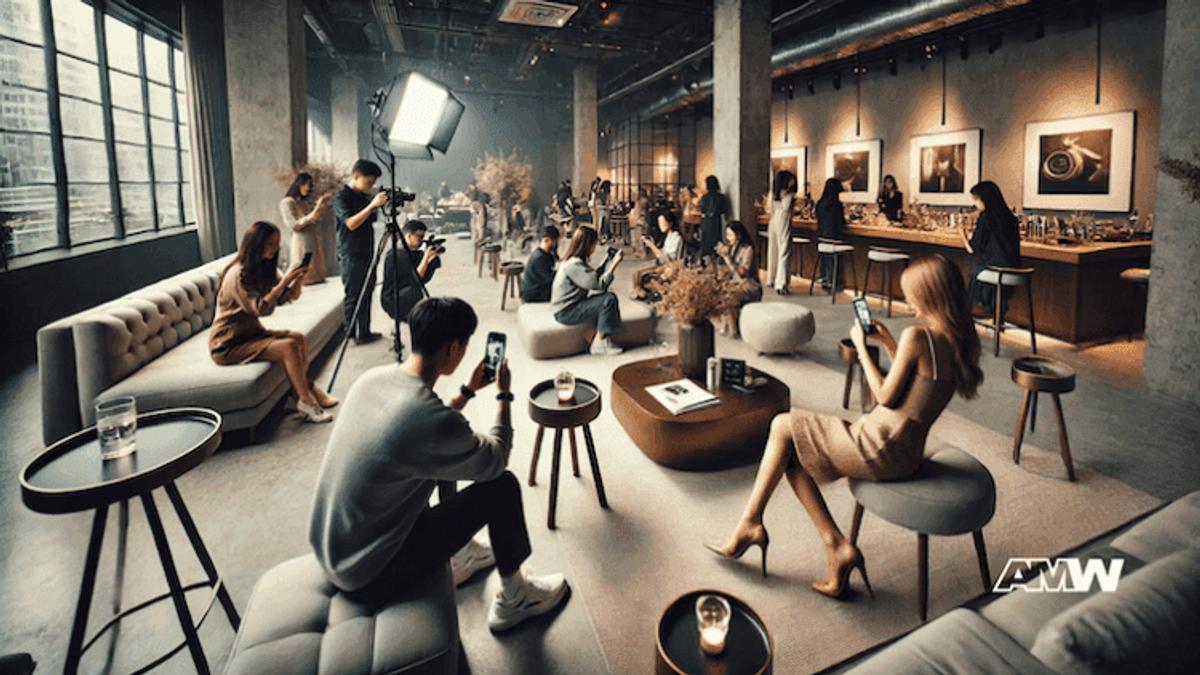
Collaborating with influencers and partners can amplify your event's reach. Find social media personalities whose followers are similar to your target market. Contact them with a clear proposal that explains how both can benefit from working together.
Influencers can create buzz through posts, stories, and live streams. Encourage them to share personal insights or exclusive content related to the event.
Partnerships with relevant organizations or businesses can also enhance your advertising efforts. Co-hosting webinars, sharing email lists, or offering cross-promotions can extend your reach and credibility. Be strategic in selecting partners and ensure that their values align with your event's goals.
By following these top tips on how to advertise an event, you can create a comprehensive and effective promotional strategy that ensures your event's success.
Optimize Your Event Website
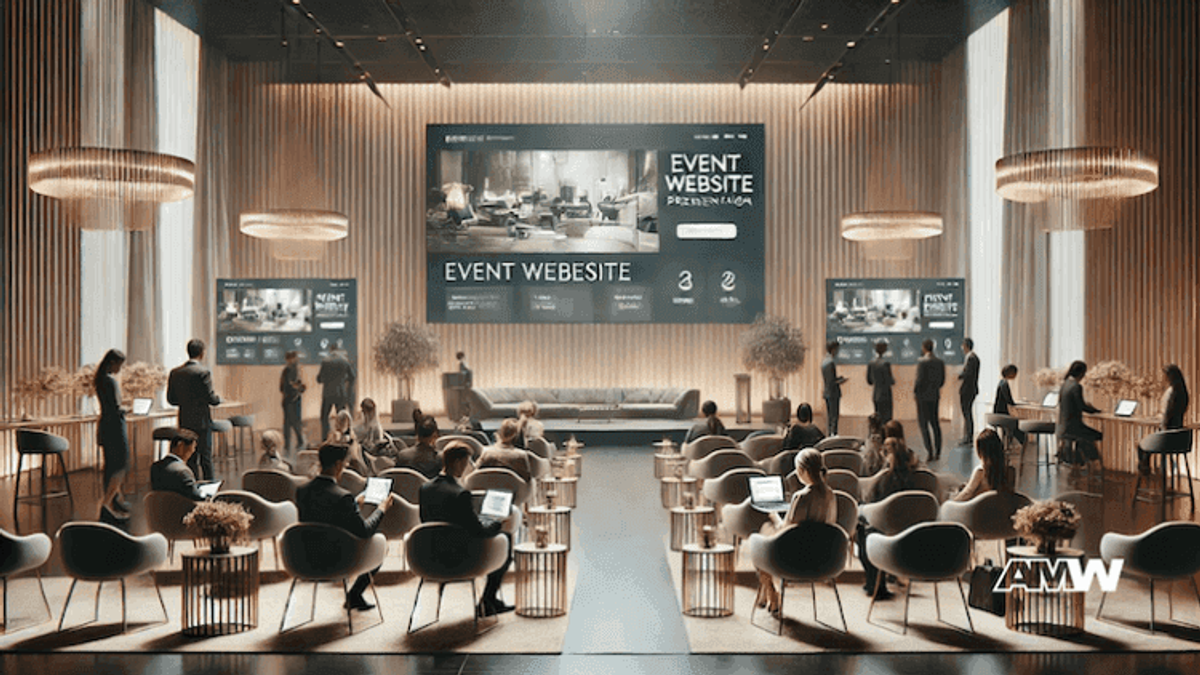
A dedicated event website or webpage is essential for effective event advertising. Your event website should be appealing, easy to navigate, and mobile-friendly. Ensure that all relevant information, such as date, time, location, speakers, and registration details, is prominently displayed.
Search engine optimization (SEO) plays a crucial role in driving organic traffic to your event page. Use relevant keywords, such as "how to advertise an event" and "advertise the event," in your content, meta descriptions, and headers. Create a blog where you can post regular updates, speaker interviews, and related content to keep your audience engaged and improve your site's SEO.
Incorporate clear calls-to-action (CTAs) throughout the site, directing visitors to register or learn more about the event. Adding testimonials and highlights from past events can also build credibility and entice potential attendees.
Paid Advertising
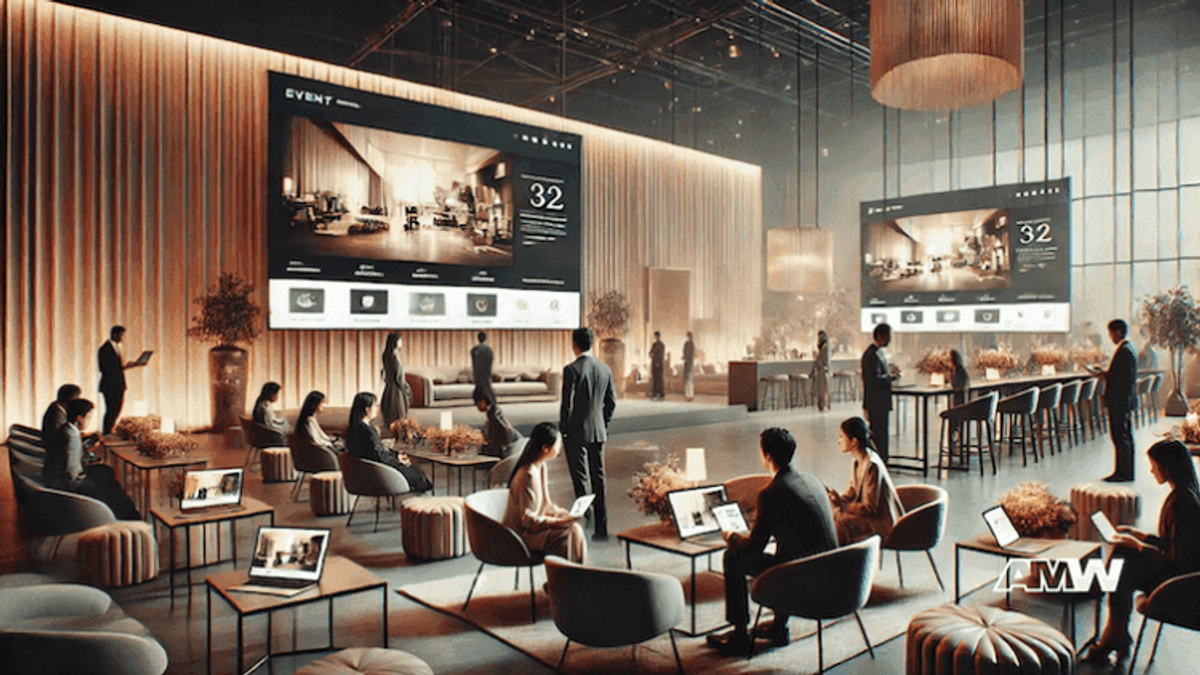
Paid advertising can significantly boost your event's visibility and reach a wider audience. Platforms like Google Ads, Facebook Ads, and LinkedIn Ads offer advertising options that can be adapted to your specific audience demographics and interests.
Start by setting a clear budget for your paid advertising campaign. Identify the most effective platforms based on your target audience. For instance, LinkedIn Ads might be more effective for a professional conference, while Facebook Ads could work well for a community event.
Craft compelling ad copy and use eye-catching visuals. Use keywords such as "ways to advertise an event" and "advertisement of event" in your ad content to improve relevance and searchability.
Interact with Your Audience

Engagement is key to maintaining interest and building excitement leading up to your event. Do interactive content such as polls, quizzes, and Q&A on social media to engage your audience. Live streaming sessions, such as behind-the-scenes previews or interviews with key speakers, can also generate buzz and anticipation.
Encourage user-generated content by creating event-specific hashtags and prompting attendees to share their experiences and preparations. Feature user posts on your event page and social channels to create a sense of involvement.
Respond to comments promptly to show that you value your audience's input and questions. Personal engagement can help build a loyal following and increase the likelihood of attendees spreading the word about your event.
Conclusion

Advertising for an event requires a strategic approach and a combination of various marketing tactics. By defining your goals, understanding your audience, creating compelling content, and leveraging different advertising channels, you can ensure a successful event with high attendance and engagement.
Implementing these top tips on how to advertise an event will help you maximize your promotional efforts and achieve your event objectives.
FAQ
What is the most effective way to advertise an event?
The most effective way depends on your target audience and goals. Combining social media, email marketing, influencer partnerships, and paid advertising generally yields the best results.
How far in advance should I start advertising my event?
It's advisable to start advertising at least 6-8 weeks before the event. For larger events, consider starting even earlier to build momentum.
How can I advertise an event with a limited budget?
Focus on budget-friendly strategies like social media marketing, email campaigns, and leveraging partnerships. Utilize free tools and platforms for maximum reach.
What are some key metrics to track in my event advertising campaign?
Key metrics include engagement rates, click-through rates, conversion rates, attendance numbers, and ROI.
How can I make my event stand out in a crowded market?
Create unique and engaging content, use eye-catching visuals, offer exclusive incentives, and leverage the influence of well-known personalities or partners to differentiate your event.
Leverage Event Listing Platforms and Local Media
Don't overlook the power of event listing platforms and local media outlets when advertising your event. Platforms like Eventbrite, Meetup, Facebook Events, and industry-specific directories can significantly expand your reach to audiences actively searching for events to attend. These platforms often have built-in discovery features that help potential attendees find events based on location, interests, and timing. Submit your event to multiple listing sites, ensuring you optimize each listing with compelling descriptions, high-quality images, and relevant tags.
Local media partnerships can provide tremendous value, especially for community-focused events. Reach out to local newspapers, radio stations, podcasts, and community blogs to pitch your event as a newsworthy story. Many local media outlets are eager for content and may feature your event in their community calendar or even provide editorial coverage. Consider offering exclusive interviews with speakers or behind-the-scenes access to journalists. This approach not only increases visibility but also builds credibility through third-party endorsement.
When working with media outlets, timing is crucial. Submit press releases 3-4 weeks before the event, and follow up with personalized pitches highlighting unique angles or local connections. Include high-resolution photos, speaker bios, and clear contact information. For maximum impact, coordinate your media outreach with your social media and email marketing campaigns to create a unified promotional push.
Implement Referral Programs and Early Bird Incentives
Creating incentive-based marketing strategies can turn your existing audience into active promoters of your event. Implement referral programs that reward current registrants for bringing friends or colleagues. For example, offer discounts on future events, exclusive merchandise, or special access to VIP areas for successful referrals. This word-of-mouth marketing approach is particularly effective because people trust recommendations from their network more than traditional advertising.
Early bird promotions create urgency and reward prompt decision-making. Offer tiered pricing that increases as the event date approaches, or provide exclusive perks for early registrants such as preferred seating, networking sessions, or bonus materials. Clearly communicate these limited-time offers across all your marketing channels, emphasizing both the savings and the deadline to create a sense of urgency.
Consider implementing gamification elements to make the promotion process more engaging. Create contests where participants can win free tickets by sharing your event content, tagging friends, or creating user-generated content related to your event theme. Track the performance of these programs using unique promo codes or referral links, allowing you to measure ROI and optimize future campaigns based on what drives the most registrations.
Post-Event Follow-Up and Future Event Promotion
Your event advertising strategy shouldn't end when your event begins. Post-event follow-up is crucial for maintaining relationships with attendees and building momentum for future events. Immediately after your event, send thank-you emails to attendees with highlights, photos, and any promised resources or recordings. This follow-up reinforces the value they received and keeps your brand top-of-mind for future events.
Leverage the content and testimonials from your successful event to advertise future events. Collect feedback through surveys and use positive responses as social proof in your next campaign. Create case studies, highlight reels, and photo galleries that showcase the energy and value of your events. This user-generated content becomes powerful advertising material that demonstrates real outcomes rather than just promises.
Build a community around your events by creating alumni groups or mailing lists for past attendees. These engaged audiences become your most valuable asset for promoting future events, as they've already experienced the value you provide. Offer them exclusive previews, early access to registration, or special pricing to reward their loyalty. This approach creates a sustainable cycle where each successful event makes advertising the next one easier and more effective.

Frequently Asked Questions
How far in advance should I start advertising my event?
Start advertising your event 6-8 weeks in advance for optimal results. Larger events or conferences may require 3-4 months of lead time to build sufficient momentum. Begin with early announcements and save-the-date campaigns, then gradually increase advertising intensity as the event approaches. This timeline allows you to capture early registrations, build anticipation, and adjust your strategy based on initial response rates.
What are the most cost-effective ways to advertise an event with a limited budget?
Focus on organic social media marketing, email campaigns to existing contacts, and strategic partnerships with complementary businesses. Create compelling content using free design tools like Canva, leverage user-generated content with event hashtags, and collaborate with micro-influencers who may promote your event in exchange for free tickets. Cross-promotional partnerships and community bulletin boards can also provide free exposure.
Which social media platforms are best for event advertising?
The best platform depends on your target audience. Facebook is ideal for community events and offers robust event pages with RSVP features. LinkedIn works best for professional conferences and B2B events. Instagram excels for visually appealing events targeting younger demographics. Use Facebook for broad reach, LinkedIn for professional audiences, Instagram for visual storytelling, and Twitter for real-time updates and hashtag campaigns.
How do I create compelling event content that drives registrations?
Develop content that highlights unique value propositions, speakers, and exclusive benefits attendees will receive. Use high-quality visuals, behind-the-scenes videos, and speaker spotlights. Create urgency with early-bird pricing and limited availability messaging. Include clear calls-to-action in every post, showcase testimonials from past events, and provide sneak peeks of what attendees can expect to experience.
What metrics should I track to measure my event advertising success?
Monitor registration conversion rates, website traffic from different channels, social media engagement rates, email open and click-through rates, and cost per acquisition for paid campaigns. Track ticket sales progression, referral sources, and social media mentions. Post-event, measure actual attendance rates, attendee satisfaction scores, and return on investment to optimize future advertising strategies and budget allocation.
How can I use email marketing effectively for event promotion?
Segment your email list based on demographics, past attendance, and interests to send targeted messages. Create compelling subject lines with urgency or exclusivity. Send a series of emails including save-the-dates, early-bird offers, speaker announcements, and final reminders. Include clear registration links, highlight key benefits, and use countdown timers. Personalize emails and A/B test different subject lines and content to maximize open rates.
What are the best strategies for partnering with influencers for event promotion?
Identify micro-influencers whose audiences align with your target demographic rather than focusing solely on follower count. Offer value through free tickets, exclusive access, or monetary compensation. Provide clear guidelines and branded materials while allowing creative freedom. Encourage authentic storytelling about why the event matters to them. Track engagement rates and conversions from influencer posts to measure ROI and build long-term relationships.
Related Articles

Events Marketing Plan: Creating an Event Strategy
Planning a successful event often requires a well-thought-out strategy that can significantly impact its outcome. Whether you're organizing a conference, a product launch, or a community event, an

Event Marketing Strategies: A Complete Guide for Business Growth
Event marketing strategies that fill the room and turn attendance into pipeline: planning, promotion, budgets, measurement, current trends and eleven sourced campaigns.

10 Steps on How to Develop a Marketing Plan for Your Next Event
Events are a mix of fun and challenges. Whether it's a corporate seminar, product launch, or a big celebration, the key to a successful event is in the planning and execution.