

From Indie to Mainstream: Effective Music Promotion Strategies

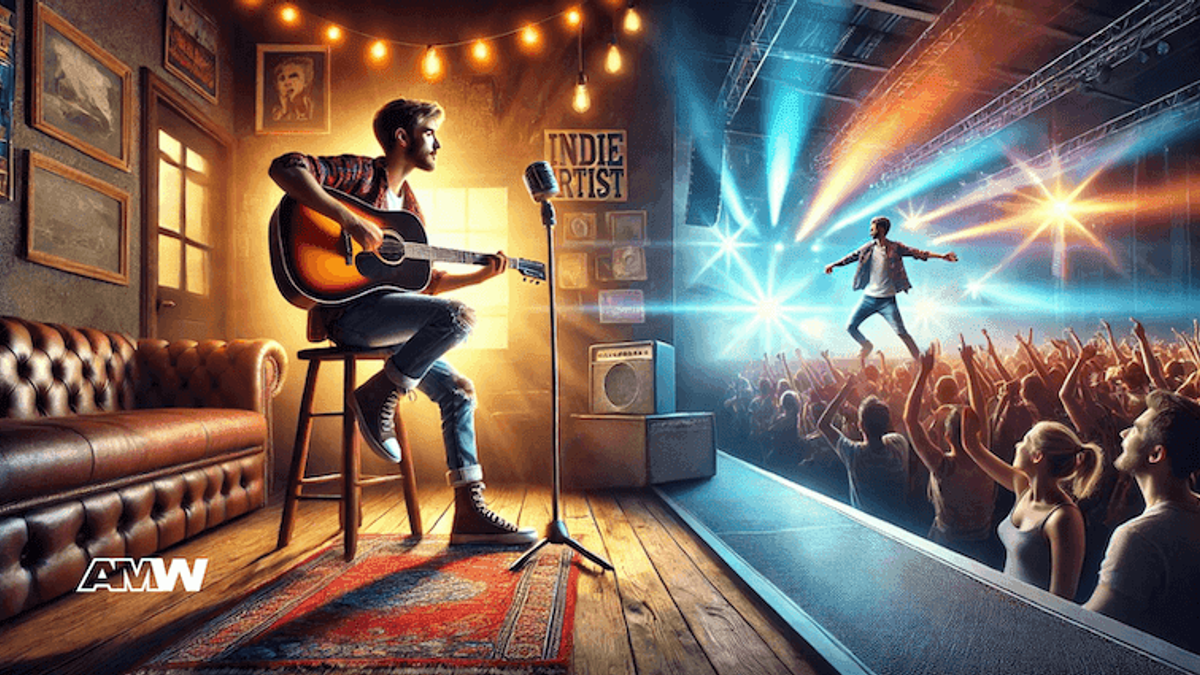
Breaking into the mainstream as an indie artist can be a daunting challenge.
Quick Summary
Breaking into the mainstream as an indie artist requires both high-quality music and effective promotional strategies. Establishing a strong online presence, leveraging social media, and securing playlist placements on streaming services are crucial steps. Engaging with traditional media through press releases and interviews enhances visibility, while live performances and building a loyal fan community foster deeper connections. Ultimately, persistence and adaptability are essential for indie a
While the digital age has democratized music production and distribution, it has also flooded the market with countless artists vying for attention. To stand out, it's not enough to simply create good music; indie artists must master the art of music promotion .
This blog post explores comprehensive and effective strategies that can help indie musicians transition from the fringes to the mainstream spotlight.
Building a Solid Foundation
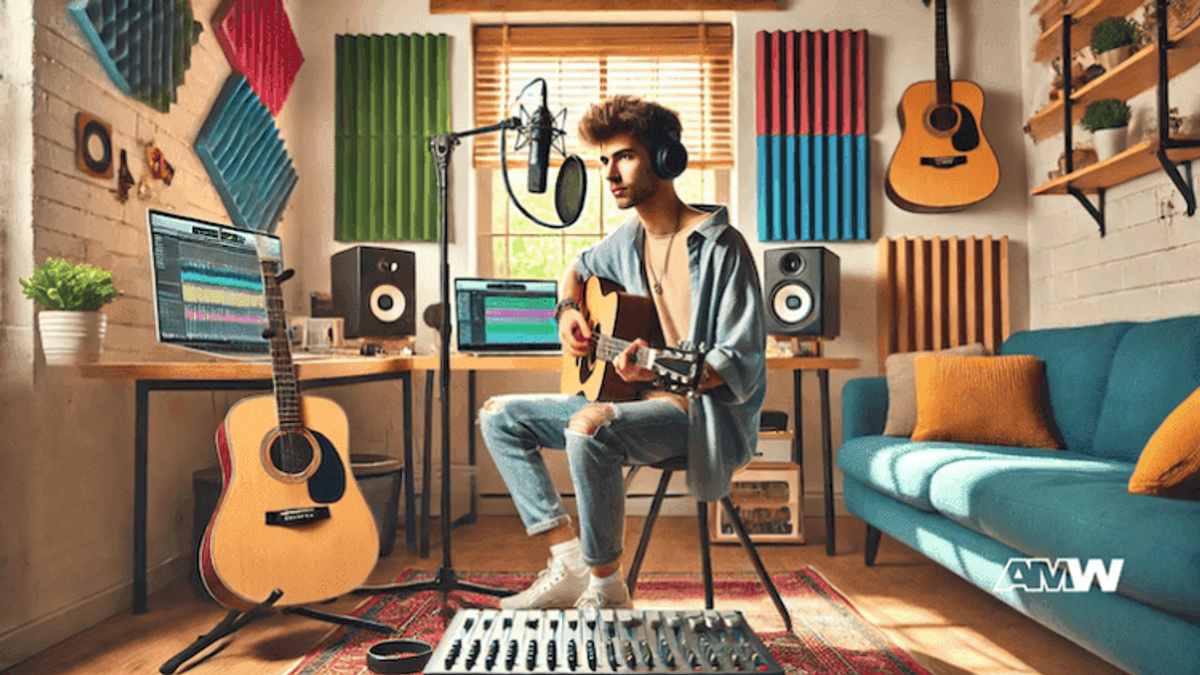
Creating high-quality music is the bedrock of any successful music career. This involves more than just talent; it requires professional recording and production. Investing in top-notch mastering and mixing can significantly enhance the sound quality of your tracks, making them more appealing to both listeners and industry professionals. High production values signal professionalism and can make a crucial difference in how your music is received.
Equally important is brand development. Crafting a unique artist identity helps you stand out in a crowded market. This identity should be consistent across all platforms, from your social media profiles to your website and album artwork. A cohesive brand makes it easier for fans to recognize and connect with you. This includes defining your image, style, and the message you want to convey through your music and interactions.
Establishing an online presence is another critical component. A professional website serves as your central hub where fans can read about you, listen to your music, and purchase merchandise. It should be regularly updated with news, tour dates, and new releases. Social media are essential for interacting with your audience. Each platform provides various engagement tools for fans, so it's crucial to comprehend and use them effectively.
Leveraging Social Media
Content creation is key. Regularly posting engaging content keeps your audience interested and involved. Share behind-the-scenes glimpses into your creative process, personal stories, and everyday life to build a deeper connection with your fans. Live sessions and stories can make your interactions more dynamic and personal.
Collaborating with influencers can amplify your reach. Music influencers and bloggers often have dedicated followings that trust their recommendations. Partnering with these influencers can introduce your music to new audiences. Paid promotions and shoutouts from influencers can also be an effective way to boost your visibility.
Interactive campaigns can further enhance engagement. Running contests and giveaways incentivizes fans to participate and share your content. Engaging your audience with polls, Q&A sessions, and challenges makes them feel involved and valued. These interactions not only increase your reach but also build a loyal fan base that is more likely to support your music.
Music Streaming Services
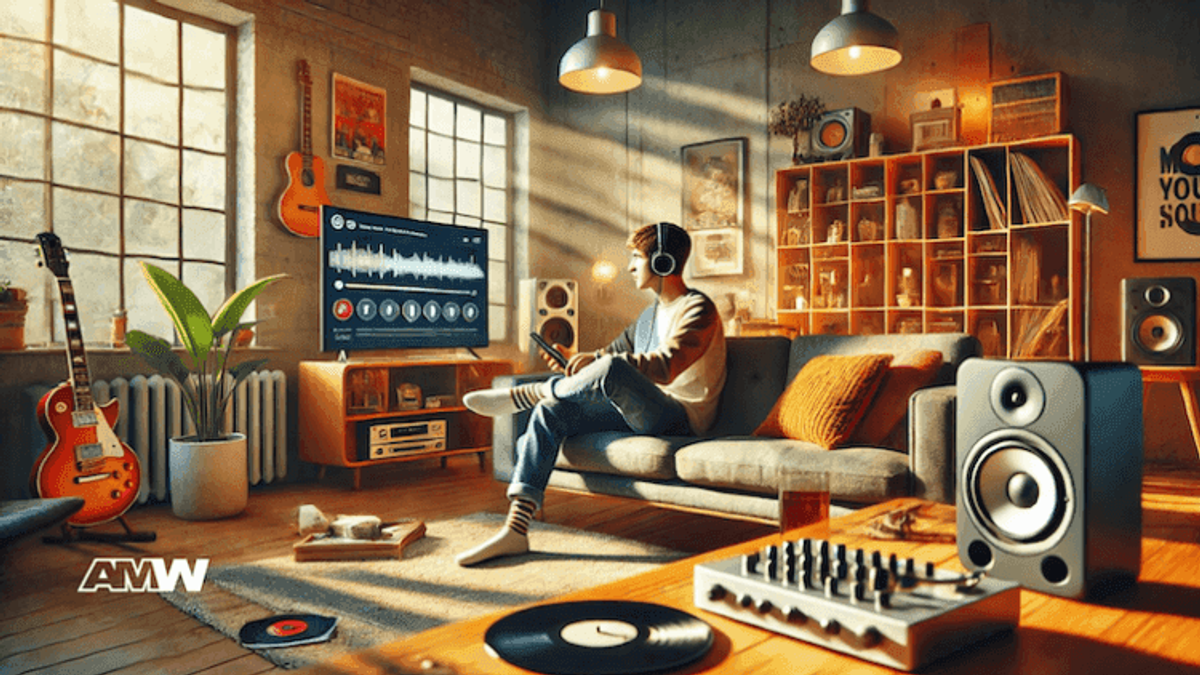
Music streaming services are a critical component of modern music promotion . Securing playlist placements on popular playlists can significantly increase your exposure. Submit your music to playlist curators and utilize various platforms for promotion . Algorithmic playlists like Spotify's Discover Weekly and Release Radar can also introduce your music to new listeners based on their listening habits.
Engagement on streaming platforms goes beyond simply uploading your music. Actively engaging with your listeners through these platforms can help build a dedicated fan base.
Ready to Promote Your Music?
AMW has run 200+ music campaigns across streaming, radio, and press.
Utilize features like Canvas - Spotify for Artists and Apple Music for Artists to enhance your profile and connect with your audience. Respond to comments, and keep your profiles updated with new releases and tour dates.
Engaging with Traditional Media

While digital media is essential, traditional media still plays a vital role in music promotion . Crafting compelling press releases can capture the attention of media outlets. A well-written press release should highlight the key aspects of your music and career milestones. Creating an effective electronic press kit (EPK) is also important. An EPK should include a biography, high-quality photos, press releases, music samples, and contact information.
Securing interviews and features in local and national media outlets can significantly boost your visibility. Building relationships with journalists can lead to more coverage and opportunities. Reach out to media contacts with personalized pitches that explain why your music is worth their attention.
Radio and podcast promotion should not be overlooked. Submitting your music to relevant radio stations and podcasts can help you reach new audiences. College and community radio stations are often more open to playing indie music and can be a great starting point. Podcasts related to your genre or themes can also provide valuable exposure and help you connect with listeners on a deeper level.
Live Performances and Touring
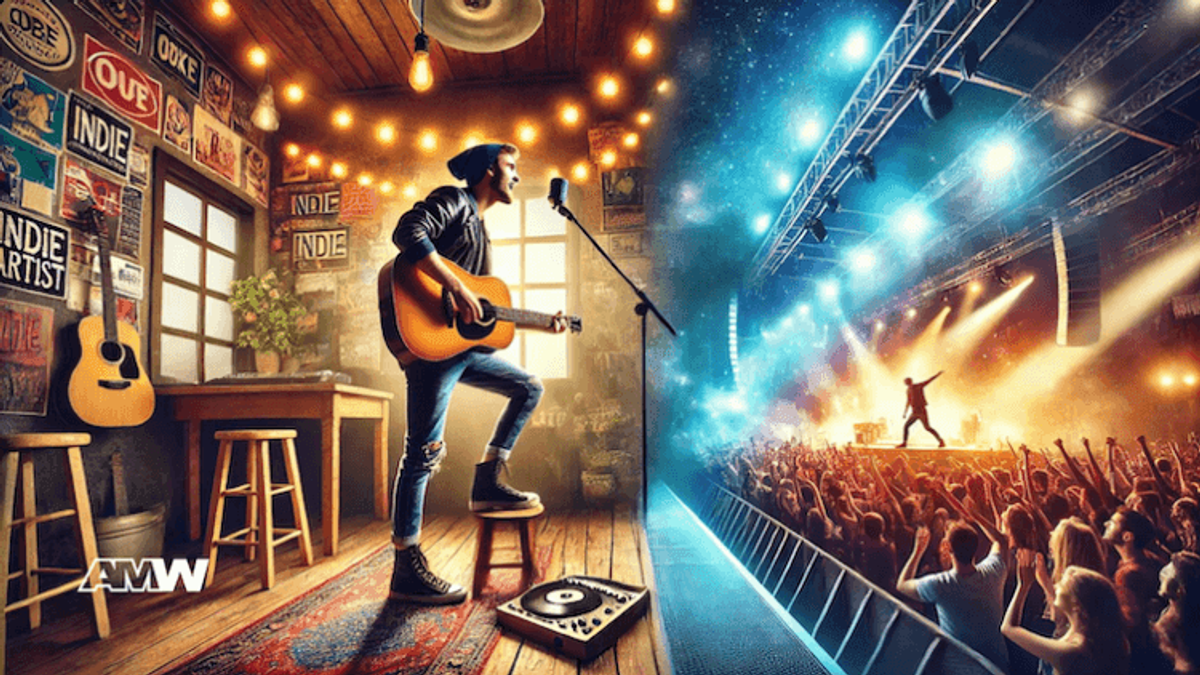
Live performances are a cornerstone of music promotion , offering a way to connect with fans. Starting with local gigs and open mic nights can help you build a following in your area. Participating in local festivals can also provide exposure to a broader audience. These smaller shows are opportunities to hone your performance skills and develop a stage presence.
Strategic touring is essential for reaching new audiences. Plan tours in regions where you have a strong fan base or where there is a significant interest in your genre. Collaborating with other artists for joint tours can also be beneficial, as it allows you to tap into their fan base and share resources.
Live streaming performances have become increasingly popular, offering a way to reach a global audience. Platforms like Twitch and YouTube Live enable you to perform virtual concerts and interact with fans in real time. These performances can be particularly effective for engaging with international fans who may not be able to attend your live shows.
Building a Strong Fan Community
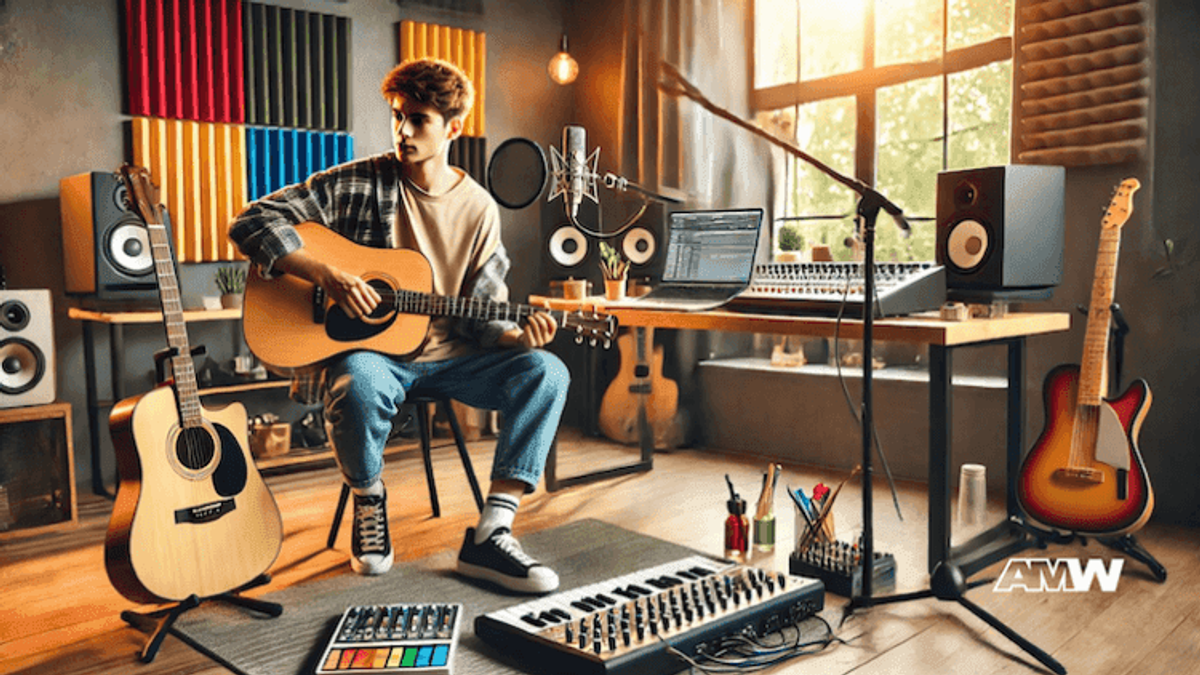
A strong fan community is essential for sustained success. Engaging with fans on social media and at live shows helps build a loyal following. Responding to comments shows that you value their support. Creating a fan newsletter can keep your audience informed about new releases, tour dates, and other important updates.
Merchandise and fan experiences are additional ways to connect with your audience. Designing and selling merchandise not only provides a revenue stream but also helps fans feel more connected to you. Offering exclusive experiences like meet-and-greets, VIP packages, and private concerts can deepen this connection and create memorable interactions.
Crowdfunding campaigns can also engage your fan base in unique ways. Offering exclusive content and other perks can incentivize fans to contribute. Engaging fans in the creative process by sharing updates and behind-the-scenes content can make them feel like a part of your journey.
Conclusion
Transitioning from indie to mainstream requires a multifaceted approach. By building a foundation, using social media, utilizing music streaming services, engaging with traditional media, performing live, and fostering a strong fan community, indie artists can significantly enhance their chances of success. Persistence and adaptability are key.
Ready to Promote Your Music?
AMW has run 200+ music campaigns across streaming, radio, and press.
FAQ
How important is social media for music promotion?
Social media is important for building and engaging with your fan base, sharing content, and promoting your music to a wider audience.
How can I get my music on popular playlists?
Submit your tracks to playlist curators, use professional promotion platforms, and engage with your listeners to increase your chances of being featured.
Is it worth investing in professional production for my music?
Yes, high-quality production can significantly impact how your music is received and can enhance your chances of being taken seriously by industry professionals.
How can I effectively use live streaming for music promotion?
Utilize platforms like Twitch and YouTube Live to perform virtual concerts, interact with your audience in real time, and reach a global audience.
What should be included in a media kit?
A media kit should include a biography, high-quality photos, press releases, music samples, and contact information for press inquiries.

Ready to Promote Your Music?
AMW has run 200+ music campaigns across streaming, radio, and press.
Frequently Asked Questions
How long does it take for an indie artist to transition to mainstream success?
The timeline varies significantly, typically ranging from 2-10 years depending on factors like genre, marketing budget, networking, and consistency. Most successful indie artists spend 3-5 years building a solid foundation, developing their fanbase, and securing playlist placements before gaining mainstream recognition. Key milestones include reaching 100K monthly Spotify listeners, securing major playlist features, and booking larger venues. Success requires persistent effort across multiple promotion channels simultaneously.
What's the most cost-effective music promotion strategy for indie artists on a tight budget?
Social media marketing offers the highest ROI for budget-conscious indie artists. Focus on creating consistent, engaging content across Instagram, TikTok, and Twitter using free tools like Canva for graphics and native editing features. Collaborate with micro-influencers (1K-10K followers) who often accept music exchanges for posts. Additionally, submit to free playlist curators via platforms like Daily Playlists and engage authentically with your local music community for organic growth.
How do I create an effective electronic press kit (EPK) for music promotion?
An effective EPK should include: a compelling 2-3 sentence bio, 3-5 high-resolution photos (300 DPI), streaming links to your best 2-3 tracks, recent press coverage, performance videos, and professional contact information. Use platforms like Sonicbids or create a dedicated webpage. Keep it concise, mobile-friendly, and update it monthly. Include notable achievements like playlist features, radio play, or festival performances to establish credibility with media outlets and industry professionals.
Which music streaming platforms should indie artists prioritize for promotion?
Prioritize Spotify (largest user base), Apple Music (high-paying demographic), and YouTube Music (discovery potential) as your primary platforms. Focus 60% of your effort on Spotify due to its playlist ecosystem and Spotify for Artists tools. Allocate 25% to Apple Music for its editorial playlist opportunities, and 15% to YouTube Music for algorithmic discovery. Don't neglect platform-specific features like Spotify Canvas, Apple Music artist interviews, and YouTube premieres for maximum engagement.
What are the best ways to get indie music featured on Spotify playlists?
Submit unreleased tracks to Spotify's editorial team 3-4 weeks before release via Spotify for Artists. Use professional promotion platforms, Groover, and Playlist Supply to reach independent curators. Research playlist curators in your genre and pitch personalized emails with streaming stats and upcoming releases. Maintain consistent release schedules, engage with your audience to boost algorithmic performance, and collaborate with other artists to cross-pollinate fanbases and increase playlist consideration chances.
How much should indie artists invest in professional music production and mastering?
Budget $500-2000 per song for professional mixing and mastering, depending on your market and genre. This investment significantly impacts playlist acceptance rates and radio play eligibility. Allocate 30-40% of your total music budget to production quality. Consider working with producers who specialize in your genre and have playlist placements. While home recording is viable, professional mastering ($100-300 per track) is essential for competing with mainstream releases on streaming platforms.
What social media content works best for indie music promotion?
Behind-the-scenes studio content performs exceptionally well, showing 3x higher engagement than standard promotional posts. Share songwriting processes, equipment setups, and creative decisions. Post 15-30 second music snippets on TikTok and Instagram Reels with trending hashtags. Live acoustic performances, song story explanations, and fan interaction content build authentic connections. Aim for 70% entertainment/educational content and 30% direct promotion to maintain audience interest and algorithmic favor.
Related Resources
Calculators
Pricing Guides
Related Articles
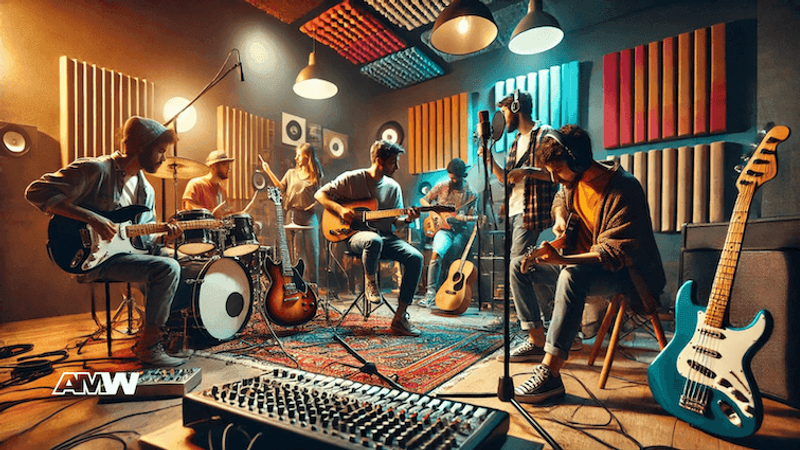
Sound Promotion for Musicians
Sound promotion is key for musicians who want to get more visible, attract new listeners and build a long term career.
Essential Tips for Marketing Independent Music Effectively
Creating a clear and compelling brand identity can be crucial for independent artists aiming to stand out in today's music industry. Developing a consistent visual aesthetic across various platform
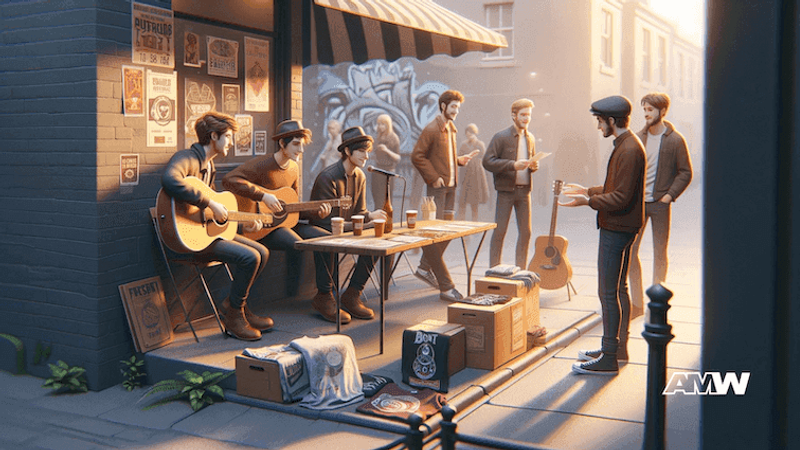
How to Promote Your Band: 10 Strategies for Success
Discover successful strategies to promote your band, including developing an engaging website and utilizing livestreams and podcasts effectively.