

20 Social Media Marketing Ideas to Boost Online Presence


Social media is where your brand can really shine. But with so many social media platforms and options out there, it's easy to feel stuck.

Quick Summary
To effectively enhance your brand's presence on social media, the article outlines key strategies such as posting consistently with purpose, engaging audiences with interactive polls, and showcasing behind-the-scenes content. Leveraging user-generated content and collaborating with influencers further builds credibility. Hosting giveaways, utilizing stories, and sharing success stories foster engagement and authenticity. Ultimately, the focus is on building a community, staying authentic, and re
Whether you're just getting started or looking to refresh your social media marketing strategy, we've got 20 powerful marketing ideas on social media to help boost your presence and get people talking.
1. Post Consistently but with Purpose

Keep it consistent when you're doing social media marketing. A common mistake is posting random content just to keep your social media channels active. Instead, focus on creating engaging posts that serve your business goals.
A solid content strategy should balance frequency with quality. Whether it's daily, weekly, or bi-weekly, maintaining a content calendar helps keep your audience engaged and aware of what's coming next.
Managing many social media accounts can be tough, but you don't need to be on all platforms at the same time.
Start with a few popular social media platforms where your target audience hangs out most, whether it's Instagram, X, Facebook, or TikTok.
Focus on those first and expand as your follower growth increases.
2. Create Interactive Polls and Quizzes

Looking for a way to get instant engagement?
Polls and quizzes are easy ways to interact with your audience while gathering valuable insights.
Tools like Instagram's story features can be great for this.
These are quick wins for increasing social media engagement without requiring heavy content creation tools.
Quizzes, on the other hand, can make your audience feel involved in your brand.
A well-placed poll on your Facebook post or X account can give you immediate feedback and a better sense of your audience demographics.
This method is great for audience research while keeping your social media marketing platforms fun and interactive.
3. Show Behind-the-Scenes Content

People love to see the human side of a brand. Sharing behind-the-scenes moments, such as product creation, team events, or even bloopers, can make your brand feel more authentic.
It's an easy way to connect with prospective customers and create a deeper connection.
Behind-the-scenes social media posts don't need to be overly polished. Show your team at work, prepping for a big event or celebrating a milestone.
It helps establish trust and strengthens your brand voice and brand identity in a way that polished social ads sometimes can't.
Plus, it makes your business feel more relatable, increasing customer sentiment in the long run.
4. Utilize User-Generated Content

One of the most powerful social media marketing ideas is leveraging user-generated content (UGC). UGC not only reduces the time spent on creating content but also boosts your credibility.
When your satisfied customers share their experience with your product, they become ambassadors for your brand.
Encourage your audience to tag your business or use your branded hashtags on other platforms. Then, share user-generated content on your own social channels to increase visibility and build trust with your relevant audience.
Whether it's a testimonial, product photo, or a video of them using your product, UGC works across multiple channels to help you increase brand awareness and gain insight into what resonates with your potential customers.
5. Go Live
Going live is one of the most effective ways to build real-time connections with your audience.
Whether it's an Instagram Live, Facebook Live, or YouTube livestream, this feature allows you to have direct conversations with your followers and address questions immediately.
It's an excellent way to show the human side of your brand and build trust.
Try holding a live Q&A session, product launch, or even behind-the-scenes tours. Going live on multiple platforms can maximize your reach and generate excitement among your new followers.
Live video also gives you a chance to measure customer satisfaction scores in real time and provides a constant stream of engagement opportunities.
6. Collaborate with Influencers

Influencer marketing is here to stay. Discovering micro or macro influencers in your niche can help get your brand in front of a relevant audience that you might not have reached yet.
Influencers can create authentic, engaging content and drive your social media marketing plan forward.
This strategy works best when the influencer genuinely aligns with your brand values.
Reach out to influencers who share your brand identity and propose a collaboration, whether it's a sponsored post, product review, or even a social media takeover.
These partnerships can be used on multiple social media platforms to create content that's natural and engaging, resulting in higher follower growth and social media engagement.
7. Host Giveaways or Contests

Giveaways are one of the fastest ways to boost engagement and attract prospective customers.
Contests work well to generate leads while keeping your audience excited. Just be sure the prize is something that resonates with your relevant audience and aligns with your social strategy.
A well-planned contest can really get people talking, making more people aware of your brand and bringing extra visitors to your website or online stores.
8. Use Stories to Build Momentum

Posts on Instagram and Facebook Stories are a great way to engage without having to make a permanent post commitment. Stories offer a sense of urgency, prompting users to view them before they disappear.
It's a great way to showcase limited-time offers, behind-the-scenes clips, or daily snippets that don't require heavy content creation tools.
The beauty of stories is that you can post frequently without overwhelming your followers' main feed. Utilize story features like polls, quizzes, or even countdowns to drive social media engagement and keep your audience engaged.
It's a simple and effective way to maintain a constant stream of interaction.
9. Leverage Hashtags but Don't Overdo It

Hashtags are an easy way to expand your reach on social media channels, but there's a balance to strike. Too many hashtags can make your post feel cluttered, while too few won't give you the traction you need.
The key is to use relevant content hashtags that your target audience is searching for.
Look for niche hashtags specific to your industry and brand mentions. Avoid the temptation to stuff your posts with the most popular hashtags — instead, go for targeted ones that will attract the right audience.
The more focused your hashtags, the higher the chance of reaching potential customers who will engage with your posts.
10. Share Success Stories and Testimonials

Sharing testimonials and success cases is a great way to showcase your product in action and build trust with prospective customers.
Real-life examples from satisfied clients can provide actionable insights for your audience, encouraging them to take the next step in their customer journey.
Consider creating a series of short-form videos or blog posts about customer experiences. You can share these stories across multiple platforms to maximize reach and engagement.
Sharing your audience's success not only builds credibility but also fosters a stronger sense of community among your followers.
11. Create Memes or Humorous Content

A little humor can go a long way on social media. Memes and funny content are highly shareable and can boost social media engagement quickly.
But you don't need to reinvent the wheel—stay true to your brand voice while incorporating humor.
Look at trending memes or funny video formats and put your own twist on them. Just be sure the humor fits your brand identity and resonates with your relevant audience.
Sharing laughs with your followers can strengthen that deeper connection and lead to more brand mentions across multiple platforms.
12. Ask for Opinions and Feedback

Want a simple way to get your audience talking? Ask for their feedback! Whether it's about a product or your content, people love sharing their thoughts.
This not only gets more people involved but also gives you important insights that you can use to make your social media marketing better.
Try including a call-to-action in your social media posts that encourages your audience to comment or send a direct message with their feedback. You can also run polls to gauge interest in new products, features, or content ideas.
Involving your audience makes them feel heard and invested in your brand, improving customer satisfaction scores and loyalty.
13. Create Short, Punchy Videos

Video content is important on most social media channels, especially short-form videos like Reels, TikToks, and YouTube Shorts.
These videos are great for quickly capturing attention and telling a story without requiring much time from your audience.
The key is to make them snappy, engaging, and aligned with your brand values.
Whether you're sharing a product demo, a behind-the-scenes moment, or user testimonials, short videos can help drive traffic and increase follower growth across multiple social media platforms.
Don't worry about high-end production—authenticity wins on these platforms.
14. Feature Your Team

Humanize your brand by showcasing the people behind it. Feature your team members, showing off what they do day-to-day.
This builds trust and creates a deeper emotional connection between your brand and your followers.
Plus, it's easy to do across multiple channels, whether as a Facebook post, Instagram Story, or a LinkedIn shout-out.
By highlighting the human element, you reinforce your brand identity and make your business feel more relatable to potential customers.
15. Start a Series or Weekly Feature

Creating a recurring feature, like "Motivation Monday" or "Tip Tuesday," can give your audience something to look forward to each week.
It helps build consistency in your social media marketing plan while providing a constant flow of engaging content.
This type of content also makes it easier for you to stay organized with your content calendar.
Whether it's industry tips, product highlights, or motivational quotes, a regular feature keeps your audience engaged and coming back for more.
16. Share Tips and How-To Posts
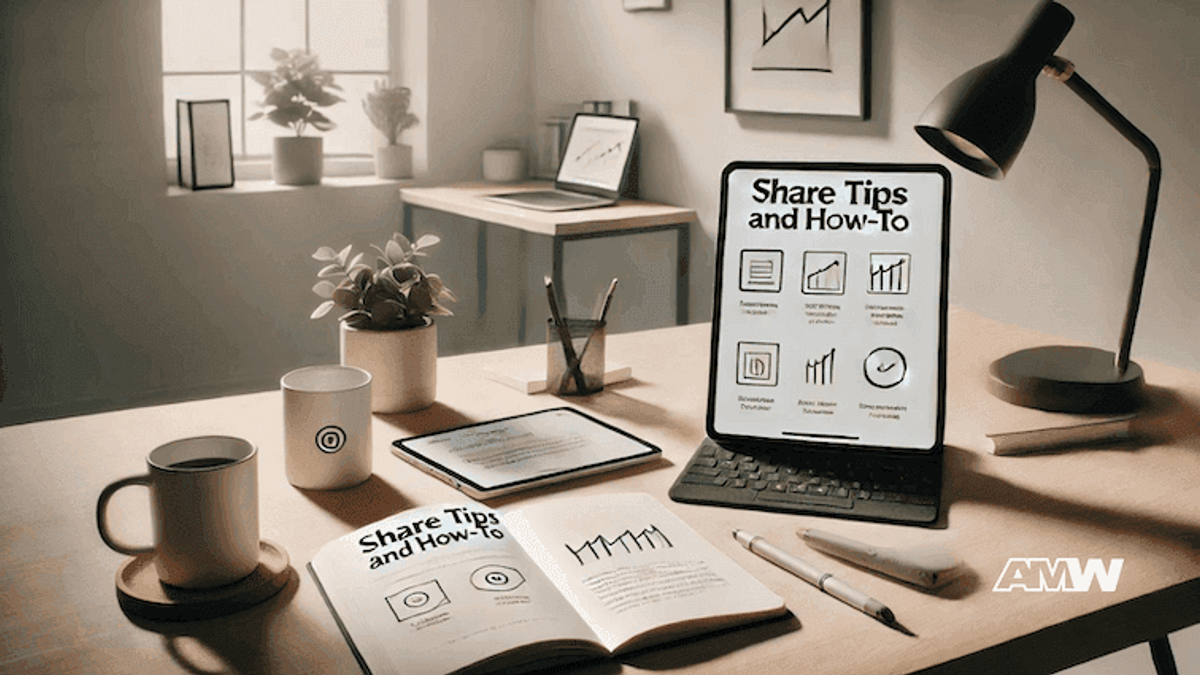
Offering helpful tips or how-to guides is a great way to position your brand as an expert in your field.
Sharing relevant content that solves problems for your target audience shows that you're there to add value, not just sell.
You can break down complex topics into easy-to-digest posts or videos. Think of quick how-tos, step-by-step guides, or pro tips your audience can use.
Sharing actionable advice across different social media platforms helps attract new followers and boosts social media engagement with your existing audience.
17. Use Data and Analytics to Optimize

While it might not sound as fun as creating memes, using social media management software to track your performance is crucial for success.
Keeping an eye on engagement rates, follower growth, and customer sentiment allows you to refine your social strategy and see what's working.
Look for patterns in which posts perform best and which ones flop. You'll gain insights that can help you tweak your social media marketing strategy to better fit your audience demographics.
Measuring your success keeps your efforts aligned with your business goals and helps you generate revenue in the long run.
18. Cross-Promote Across Platforms

If you're active on numerous social media platforms, it makes sense to cross-promote your content.
For example, a blog post that performs well on LinkedIn can be repurposed as a Facebook post or a video that gains traction on Instagram, and it might find a home on TikTok, too.
Cross-promoting content helps you reach a wider audience without having to constantly create new material from scratch. Just make sure you're tailoring your posts to fit the tone and format of each social media platform for maximum impact.
19. Hop on Trends but Stay Authentic

Jumping on trending topics or viral challenges can give your brand a temporary boost, but it's important to stay true to your brand voice.
If a trend aligns with your values and message, then you can consider trying it out.
But avoid forcing trends that don't feel genuine just for the sake of engagement.
When done right, participating in trending topics can attract new followers and spark engagement with your existing audience. Just make sure to maintain authenticity to keep your brand identity intact.
20. Build a Community, Not Just Followers
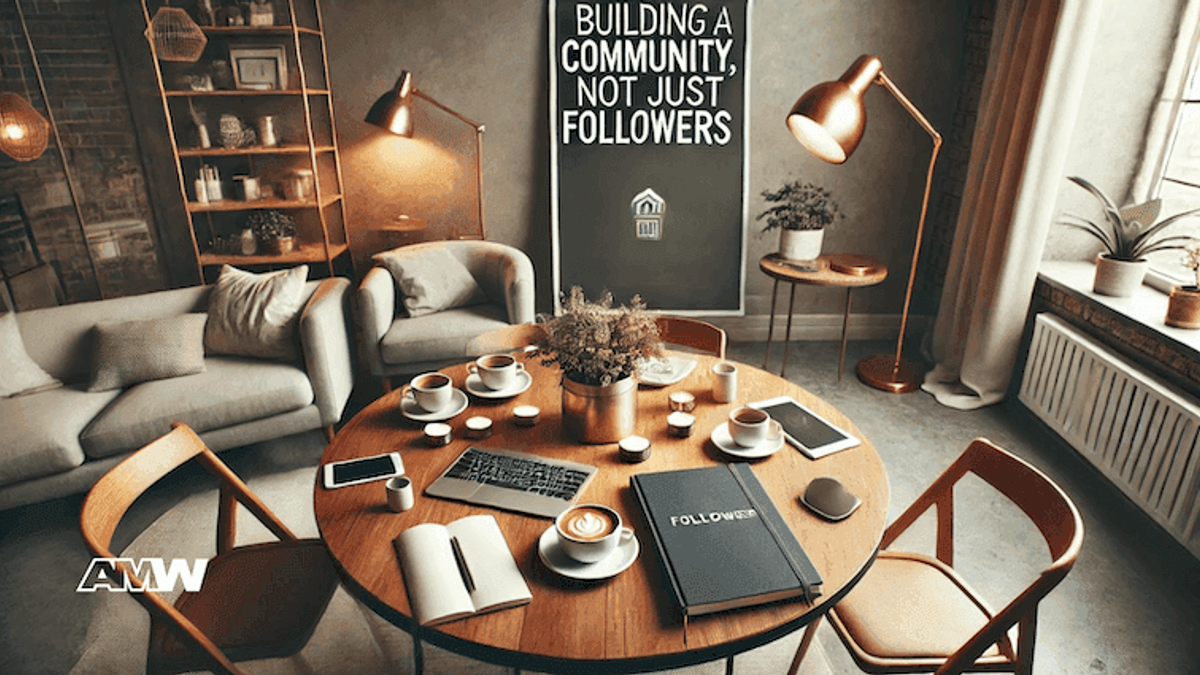
Finally, focus on building a real community rather than just collecting followers. Engage, respond to comments, and encourage interaction between your followers.
By creating a space where people feel connected, you'll see higher social media engagement and more loyal fans.
Host conversations, start discussions, and allow your audience to contribute through user-generated content.
Creating a community fosters stronger relationships and long-term loyalty, turning your prospective customers into satisfied customers who keep coming back.
Conclusion - Marketing Ideas on Social Media

Creating an online presence with social media marketing doesn't need to feel daunting.
By applying these 20 powerful social media marketing ideas, you can start engaging your target audience, growing your follower base, and increasing brand awareness across multiple platforms.
From creating engaging content to using user-generated content and staying on top of trends, the key is consistency, authenticity, and understanding your audience.
Social media is all about creating connections, not just pushing products. So, focus on building relationships, offering value, and engaging with your community.
Stay flexible, keep testing new ideas, and let your social media strategy evolve with your audience and business goals.
The more you do, the more you'll discover what works best for your brand.
FAQ: Social Media Marketing Ideas
What are the best social media platforms for my business?
The "best" social media platform depends on where your target audience spends their time.
Instagram and Facebook are great for B2C, LinkedIn for B2B, and TikTok for brands targeting younger demographics.
Do some audience research to find out which social media channels are the most active for your industry.
How often should I post on social media?
There's no one-size-fits-all answer. Start by posting consistently, whether that's daily or a few times a week, depending on your capacity. Use a content calendar to plan out posts and see what frequency works best for your engagement.
How can I use user-generated content?
Encourage your followers to tag your brand when they post about your product or service. Then, repost their content on your own social media channels.
This builds trust, increases engagement, and takes the pressure off creating content yourself.
What's the benefit of using social media management software?
Social media management software helps you schedule posts, track engagement, measure success, and analyze your audience demographics.
It's especially useful when you're managing multiple social media platforms and want to streamline your process.
How do I measure my social media marketing strategy efforts?
Metrics like engagement rate, follower growth, website traffic, and conversions will tell you how effective your social media marketing strategy is.
Regularly check your analytics for actionable insights and adjust your strategy based on what's working.


Frequently Asked Questions
How often should I post on social media to boost my online presence?
The optimal posting frequency depends on your platform and audience. Generally, post 1-2 times daily on Instagram, 3-5 times weekly on Facebook, and 3-5 tweets daily on Twitter. Focus on quality over quantity - it's better to post less frequently with engaging, purposeful content than random posts just to stay active. Create a content calendar to maintain consistency and track what resonates with your audience.
What type of user-generated content works best for social media marketing?
The most effective user-generated content includes customer testimonials, product photos, unboxing videos, before/after transformations, and reviews. Encourage customers to tag your business and use branded hashtags. Share customer success stories, behind-the-scenes content from events, and authentic product demonstrations. UGC builds credibility because it comes from real customers, making it more trustworthy than traditional advertising while reducing your content creation workload.
How can small businesses collaborate with influencers on a limited budget?
Focus on micro-influencers (1K-100K followers) who charge less but have higher engagement rates. Offer product exchanges instead of cash payments, propose affiliate partnerships with commission-based compensation, or collaborate with local influencers for mutual promotion. Look for influencers whose values align with your brand and who genuinely use similar products. Start with one-time partnerships before committing to long-term contracts to test effectiveness.
What are the best hashtag strategies to increase social media reach?
Use 5-10 relevant hashtags per post, mixing popular and niche-specific tags. Research hashtags your target audience follows using tools like Instagram's search function or hashtag generators. Create a branded hashtag for your business and encourage customers to use it. Avoid overly popular hashtags where your content gets lost quickly. Instead, focus on mid-tier hashtags (10K-500K posts) where you have better visibility chances.
How do I choose which social media platforms to focus on for my business?
Start by researching where your target audience spends time. B2B businesses typically succeed on LinkedIn and Twitter, while visual brands thrive on Instagram and Pinterest. Consider your content type - video creators should prioritize TikTok and YouTube, while service-based businesses might focus on Facebook and LinkedIn. Begin with 2-3 platforms, master them, then expand. Quality presence on fewer platforms beats mediocre presence everywhere.
What makes social media contests and giveaways successful?
Successful giveaways offer prizes relevant to your target audience, have clear entry rules, and require actions that boost engagement like following, tagging friends, or sharing content. Set specific goals (followers, email signups, brand awareness) and choose prizes that attract your ideal customers, not just prize seekers. Promote across multiple platforms, partner with other businesses for larger prizes, and follow platform-specific contest rules to avoid violations.
How can I measure if my social media marketing strategy is working?
Track engagement rates (likes, comments, shares), follower growth, website traffic from social media, and conversion rates. Use platform analytics to identify your best-performing content types and optimal posting times. Monitor brand mentions and hashtag usage to gauge brand awareness. Set specific KPIs like lead generation or sales attribution. Tools like Google Analytics can track social media's impact on website goals and revenue generation.
Related Resources
Related Articles

Event Marketing Strategies: A Complete Guide for Business Growth
Event marketing strategies that fill the room and turn attendance into pipeline: planning, promotion, budgets, measurement, current trends and eleven sourced campaigns.

Good Social Media Practices: Building an Effective Strategy
In today’s digital world, understanding good social media practices can be important for anyone seeking to establish a successful online presence. Social media platforms can be tools to help build